
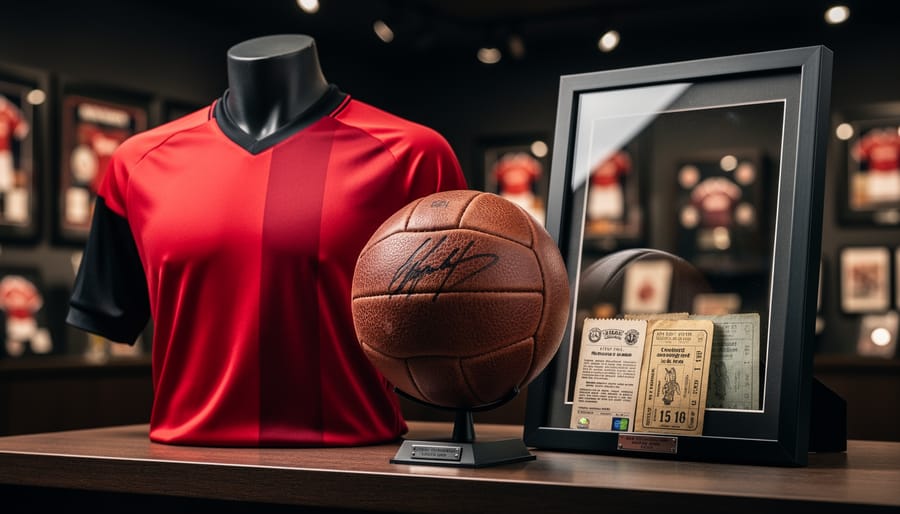
Sports and entertainment memorabilia transforms moments of athletic glory and cultural achievement into tangible treasures you can own, display, and pass down through generations. Whether it’s a signed jersey from a championship run, vintage game-day collectibles, or authenticated autographs from legendary athletes, these items connect fans directly to the sports and performers they love while often appreciating in value over time.
The collecting world spans everything from trading cards and signed equipment to ticket stubs, programs, and exclusive limited-edition releases. What makes an item qualify as true memorabilia comes down to authenticity, provenance, and connection to a significant moment or figure. A ball signed by a World Cup-winning player carries more weight than a mass-produced poster, and a game-worn jersey tells a story that replica gear simply can’t match.
People collect for different reasons. Some chase the thrill of owning a piece of sports history, others view memorabilia as an investment portfolio that rivals traditional stocks, and many simply want to surround themselves with reminders of the moments that moved them. The community aspect matters too. Collectors trade stories, share finds, and build networks around their shared passion.
Getting started doesn’t require a massive budget or expert knowledge. Begin with what you genuinely love, whether that’s your hometown team, a specific athlete, or a particular sport. Research authentication methods, learn to spot red flags, and connect with trusted dealers and fellow enthusiasts through platforms like superstarsandlegends.
What Counts as Sports and Entertainment Memorabilia?
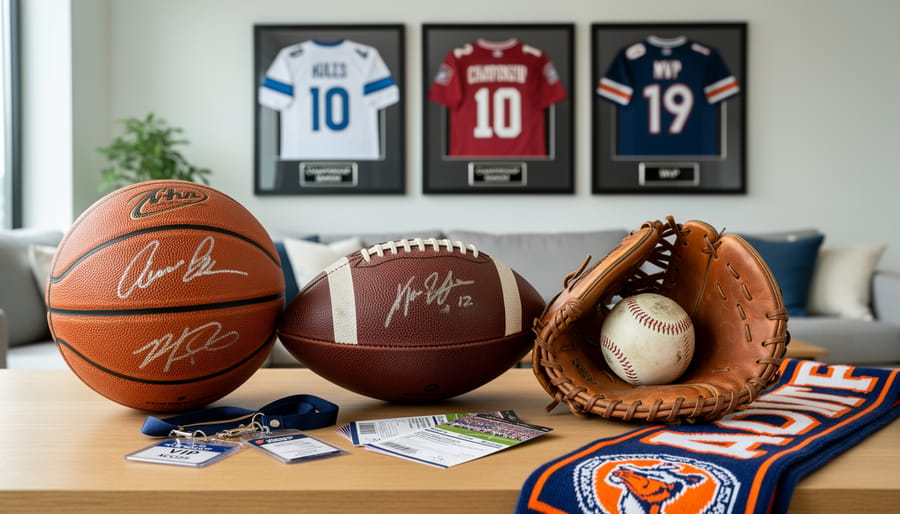
Sports and entertainment memorabilia encompasses any physical item connected to athletic events, competitions, or sporting personalities that fans choose to preserve and collect. These pieces serve as tangible links to memorable moments in sports history and personal experiences.
The category covers an enormous range of collectibles. Autographed jerseys remain among the most sought-after items, particularly when signed by legendary athletes or worn during historic performances. Equipment used in actual competition, bats, balls, shoes, gloves, helmets, carries special significance because these items were part of the action itself. Trading cards have evolved from childhood collectibles into serious investments, with rare vintage cards and modern limited editions commanding substantial prices.
Other popular memorabilia includes championship rings and medals earned by athletes, vintage programs from important events, event tickets (especially from milestone games or championship finals), team pennants, signed photographs, and promotional posters. Even race bibs from marathons and other participatory events hold meaning for collectors who value personal athletic achievement.
Understanding item categories matters when you start collecting. Authentic game-used items were actually worn or used by athletes during official competition, often showing natural wear and sometimes including documentation of the specific game or event. These typically represent the highest tier of collectibility. Game-issued items were prepared for athlete use but may not have seen actual game action, they’re authentic team equipment but without the competition provenance.
Replica items are manufactured specifically for fans and collectors. While they might look similar to what athletes wear, they’re not the same quality or construction. Replicas serve as affordable entry points for new collectors but don’t carry the same value as authentic pieces. Licensed merchandise falls into this category, officially produced but mass-manufactured rather than unique.
The distinction between these categories significantly affects value, so learning to identify what you’re buying protects both your wallet and your collection’s integrity.
Why Sports Fans Collect Memorabilia
Collectors chase memorabilia for reasons that run deeper than filling shelves. At its core, collecting captures something intangible, the rush of a championship moment, the grit of a personal race finish, the shared joy when your team finally wins. A signed marathon bib from your first finish line or a jersey worn during a historic match becomes a physical anchor to emotions that would otherwise fade with time.
The investment angle attracts plenty of collectors too. Rare items tied to legendary athletes or watershed sporting moments can appreciate significantly. A Pelé-signed ball or Usain Bolt’s competition shoes might increase in value as their historic significance solidifies. But even collectors focused on returns will tell you the real payoff comes from holding a piece of sports history in your hands.
Preservation drives many collectors as well. Sports moments are fleeting, a goal scored, a record broken, a medal earned. Memorabilia freezes those achievements in time, creating a tangible archive of athletic excellence. When you display a race number from the 2024 Paris Olympics or a program from the 1966 World Cup final, you’re keeping those stories alive for future generations.
Community might be the most underrated motivation. Collectors form tight networks, trading stories and items, attending shows, sharing authentication tips, and celebrating finds together. These connections mirror the participatory spirit of sports itself, you’re not just watching from the sidelines, you’re actively engaging with the culture you love. Through collecting, casual fans become historians, investors, and community builders, all while honoring the athletes and moments that inspire them.
Popular Categories of Memorabilia Across Different Sports
Running and Marathon Memorabilia
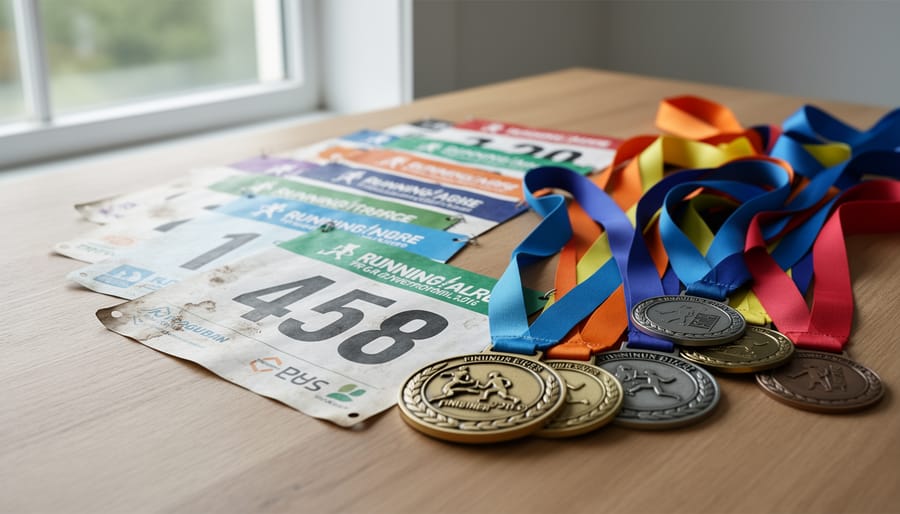
Running connects people to their own athletic journeys in ways few other sports can match. That personal investment makes running memorabilia uniquely meaningful, each piece tells a story of dedication, struggle, and achievement.
Race bibs and finisher medals anchor most collections. Your bib from a first marathon training completion or a major city race captures a specific moment in your running story. Many runners frame milestone bibs alongside finisher medals, creating visual timelines of their progress. Elite race bibs from Boston, New York, or London marathons gain value when they represent historic weather conditions, record-breaking performances, or significant athletic moments.
Signed running shoes from elite athletes offer tangible connections to the sport’s legends. Shoes worn by Olympic champions or marathon record-holders become valuable collectibles, especially when authenticated with race documentation. Original marathon programs from historic races, the first Boston Marathon, Olympic trials, or championship events, preserve the sport’s evolution and provide context that enriches any collection.
Championship awards and Olympic memorabilia represent the pinnacle. Actual medals from Olympic running events, world championship plaques, or elite athlete awards rarely appear on the market, making them prized acquisitions. Even replica Olympic torches or official event merchandise from memorable Games connect collectors to moments that inspired millions to lace up their shoes and run.
Soccer Memorabilia
Soccer memorabilia captures the world’s most popular sport through items that connect millions of fans across continents. Match-worn jerseys from legendary players carry the sweat and grass stains of actual competition, making them prized possessions that can command thousands of dollars. Signed boots from stars like soccer icon Alex Morgan or Lionel Messi represent the tools athletes used to create magic on the pitch. World Cup programs and tickets preserve the atmosphere of tournaments that unite nations, while championship medals tell stories of triumph at every level from youth leagues to professional finals.
Trading cards remain accessible entry points for collectors, with vintage cards from Pelé or Maradona reaching six figures while modern releases offer affordable options. Game balls signed by entire teams commemorate specific matches, and club scarves create colorful displays that celebrate supporter culture. The global nature of soccer means collectors can connect across borders, trading stories and items that transcend language barriers and build community around shared passion for the beautiful game.
Other Popular Sports Collectibles
Cycling memorabilia attracts passionate collectors worldwide, especially items tied to prestigious events like the Tour de France, Giro d’Italia, and Olympic road races. Signed jerseys from legendary riders command strong interest, particularly yellow jerseys from Tour winners or rainbow jerseys from world champions. Race-worn cycling caps, team-issued water bottles, and autographed photographs from iconic mountain stage victories hold special appeal. Vintage cycling posters and historic race programs document the sport’s rich heritage.
Team sports leagues generate enormous memorabilia markets. Baseball cards remain a cornerstone of collecting, with rookie cards and vintage sets driving substantial value. Basketball memorabilia spans signed basketballs, game-worn sneakers, and championship rings. American football collectors seek game-used helmets, Super Bowl programs, and autographed playbooks. Hockey enthusiasts prize signed pucks, vintage trading cards, and Stanley Cup memorabilia.
Swimming collectibles center on Olympic achievements. Signed swim caps from gold medalists, championship medals, and autographed photographs from record-breaking performances appeal to collectors. Race programs from historic swimming competitions and relay team memorabilia connect fans to milestone moments.
Other sports offer unique collecting opportunities. Tennis collectors seek Grand Slam programs, signed rackets, and championship trophies. Golf memorabilia includes tournament flags, signed golf balls from major winners, and vintage scorecards. Combat sports fans collect signed gloves, championship belts, and fight posters. Whatever your sporting passion, memorabilia exists to celebrate it.
How to Start Your Memorabilia Collection
Starting a memorabilia collection doesn’t require deep pockets or expert knowledge, it just takes genuine passion and a willingness to learn. Whether you’re drawn to marathon finisher medals, signed soccer jerseys, or vintage race programs, the key is beginning with intention rather than impulse.
Your journey starts with clarity about what excites you. Do you want to commemorate personal racing achievements? Celebrate your favorite soccer club? Honor Olympic moments in running history? Defining your focus early prevents scattered purchases and helps you build expertise in a specific area. A targeted collection tells a story, whereas random acquisitions just take up space.
Here’s a practical roadmap for new collectors:
- Define your specific interest area, choose a sport, team, athlete, event type, or era that genuinely resonates with you personally.
- Research current values and market prices by browsing completed auction listings, visiting reputable dealer sites, and joining online collector forums to understand what items actually sell for.
- Set a realistic budget that accounts for both acquisition costs and proper storage supplies, start with what you can comfortably afford without financial strain.
- Begin small with accessible, authenticated items like trading cards, signed photographs, or event programs rather than expensive game-worn equipment.
- Connect with collector communities through social media groups, local sports memorabilia clubs, and online forums where experienced collectors share knowledge and trading opportunities.
- Invest in proper storage and display materials from the start, acid-free sleeves, UV-protective frames, and climate-controlled spaces protect your investment and preserve memories.
Authentication knowledge separates smart collectors from disappointed ones. Learn to recognize legitimate certificates of authenticity, understand which third-party authentication services carry weight in your collecting area, and develop a healthy skepticism toward deals that seem too good. Reputable sellers provide detailed provenance and stand behind their items with return policies.
Don’t rush. The best collections develop over months and years, not weekends. Start by attending local sports memorabilia shows where you can examine items in person, ask questions, and build relationships with dealers. These connections often lead to better opportunities than anonymous online purchases.
Remember that every serious collector started exactly where you are now, with enthusiasm and zero items. Your first piece doesn’t need to be museum-quality. It just needs to spark joy and connect you to the sports moments you love.
Authentication and Value: What to Look For
Authenticity separates treasured keepsakes from worthless fakes, so knowing what to look for protects both your passion and your wallet. A Certificate of Authenticity (COA) from a reputable third-party authentication company provides independent verification that an autograph or item is genuine. Trusted names in the industry include PSA/DNA, JSA (James Spence Authentication), and Beckett Authentication Services. These companies employ forensic experts who analyze signatures, match them to known exemplars, and issue tamper-evident certificates with unique serial numbers you can verify online.
Not all COAs carry equal weight. A certificate from an unknown company or one provided directly by a seller without independent verification offers little protection. Red flags include certificates with no company contact information, items priced suspiciously below market value, autographs that look too perfect or uniform compared to authenticated examples, and sellers who refuse to provide provenance details. Trust your instincts, if something feels off, walk away.
Value depends on multiple factors beyond authenticity. Condition ranks high: a pristine signed jersey commands more than one with stains or loose threads. Provenance, the documented history of ownership, adds credibility and often value, especially when an item can be traced directly to the athlete or event. Rarity matters tremendously. A jersey worn during a championship game holds more value than one from a regular-season match, and items from legendary athletes or historic moments naturally command premium prices.
According to valuation factors for memorabilia research, the athlete’s significance and the item’s connection to a specific achievement drive desirability. An Olympic gold medalist’s race bib from their winning performance outvalues a practice jersey, even from the same athlete.
Educate yourself before buying. Study authenticated examples, join collector forums where experienced members share knowledge, and start small while you build expertise. Your collection deserves the confidence that comes from knowing exactly what you own.
Where to Buy and Sell Sports Memorabilia
Finding the right venue can make all the difference in your collecting journey. Each channel offers distinct advantages depending on whether you’re buying your first piece or building a specialized collection.
| Venue Type | Best For | What to Watch For |
|---|---|---|
| Auction Houses | High-value items, rare pieces, investment-grade memorabilia | Buyer’s premium fees, authentication verification, minimum bids |
| Online Marketplaces | Wide selection, price comparison, convenience | Seller ratings, return policies, authentication documentation |
| Memorabilia Shows | In-person inspection, meeting dealers, community networking | Cash requirements, impulse purchases, lack of buyer protection |
| Specialty Dealers | Expert guidance, authenticated inventory, niche collections | Higher prices, limited selection to dealer’s focus area |
| Community Groups | Trading, fair prices, building relationships, learning from peers | Variable authentication standards, informal transactions |
When you’re ready to sell, these same channels work in reverse. Auction houses charge commission but reach serious buyers. Online platforms give you control over pricing but require you to handle shipping and customer questions. Shows let you negotiate face-to-face, while established dealers might offer immediate purchase for pieces that fit their inventory.
Many collectors find success combining venues. Buy your everyday pieces from online marketplaces where competition keeps prices fair, reserve auction houses for significant acquisitions, and build relationships at shows and through collector communities. Those connections often lead to private sales and trades that never hit the public market.
Start where you feel comfortable, learn the rhythm of each venue, and don’t hesitate to walk away from a deal that doesn’t feel right. The memorabilia market constantly refreshes with new opportunities.
Caring for Your Collection
Your memorabilia deserves the same care you’d give any treasured possession, proper preservation protects both your financial investment and the memories these pieces represent.
Store items away from direct sunlight, which fades autographs and discolors fabrics within months. UV-protective glass or acrylic is essential for framed jerseys, photos, and signed equipment. Display cases with museum-quality materials prevent acid damage that yellows paper and weakens textiles over time.
Climate matters enormously. Aim for stable temperatures between 65-70°F and 40-50% humidity. Basements flood and attics roast, both ruin collections. Trading cards need protective sleeves and hard cases. Never use regular tape on autographs or memorabilia; archival materials prevent chemical reactions that cause permanent damage.
Document everything. Photograph each item with its COA, receipt, and any provenance details. Keep digital and physical records separately, if disaster strikes, you’ll need proof for insurance claims. Speaking of insurance, standard homeowners policies often cap collectibles coverage at $1,000-2,000 total. Valuable collections require riders or specialized policies; get appraisals updated every few years.
Handle items minimally and always with clean, dry hands, or cotton gloves for especially valuable pieces. When you connect with other collectors at fan community events or shows, you’ll find preservation tips worth their weight in gold. The effort you invest today keeps your collection game-ready for decades.
Building Community Through Collecting
Collecting sports memorabilia transforms a solitary hobby into a vibrant social network. When you join collector communities, you’ll discover people who share your passion for preserving athletic history and celebrating sports moments.
Local collector clubs meet regularly to showcase recent acquisitions, trade items, and share authentication tips. These gatherings create friendships built on mutual enthusiasm, whether you’re swapping marathon medals or discussing vintage soccer jerseys. Many clubs organize group visits to memorabilia shows, where members pool knowledge to spot authentic pieces and negotiate better deals.
Online forums extend these connections globally. Reddit communities, Facebook groups, and specialized collecting websites let you ask authentication questions, share collection photos, and learn from experienced collectors across continents. You’ll find dedicated spaces for specific sports, from running memorabilia to championship rings, where members celebrate each other’s finds and warn about questionable sellers.
Memorabilia shows and conventions offer immersive experiences. These events feature hundreds of dealers, live signings with athletes, authentication experts offering on-site evaluations, and seminars about collecting strategies. You’ll meet collectors face-to-face, examine rare items, and absorb the electric atmosphere of shared sports passion.
Trading groups operate both locally and online, helping collectors fill gaps in their collections. Just as soccer betting communities bring fans together around match outcomes, collector networks unite enthusiasts around preserving sports heritage. Every trade carries stories, how you acquired a piece, what it means to you, the moment it commemorates. These exchanges build lasting connections that extend far beyond the memorabilia itself.
Common Questions About Sports Memorabilia
Every collector, whether just starting out or years into the hobby, faces similar questions about authenticity, value, and smart collecting strategies. Here are answers to the questions that come up most often in the memorabilia community.
How do I know if memorabilia is authentic?
Look for a certificate of authenticity (COA) from a reputable third-party authentication company like PSA/DNA, JSA, or Beckett. Genuine items should have clear provenance showing where they came from, and you can verify authentication codes online through the issuing company’s database.
Is sports memorabilia a good investment?
While some items appreciate significantly, you should collect what you love first and treat any financial gain as a bonus. The most valuable pieces typically feature legendary athletes, historic moments, or extreme rarity, but market trends can shift unpredictably.
What’s the difference between game-used and game-worn?
Game-worn means an athlete wore the item during a specific game or event, while game-used refers to equipment actually used in play (like a match ball or bat). Game-worn items command higher prices because they carry direct player contact and sweat equity from competition.
How should I store signed items to prevent fading?
Keep autographed pieces away from direct sunlight and fluorescent lighting, store them in acid-free materials, and maintain consistent temperature and humidity levels. UV-protective glass or acrylic is essential for framed displays.
Beyond these basics, new collectors often wonder whether they should focus on one athlete or team versus building a diverse collection. There’s no single right answer. Specialized collections of one athlete or sport can become deeply meaningful and potentially more valuable, but diverse collections let you explore different interests and spread risk if you’re thinking about investment potential.
The question of when to sell also surfaces regularly. Many collectors hold items for years, waiting for milestone moments like Hall of Fame inductions or championship anniversaries that boost values. Others enjoy the trading aspect, regularly buying and selling to upgrade their collections. Your approach should match your goals, whether that’s long-term preservation of sports history, active participation in the trading community, or simply surrounding yourself with reminders of athletic moments that inspired you.
Price guides and recent auction results help establish market values, but remember that an item is ultimately worth what someone will pay for it. Condition matters enormously, a pristine signed jersey commands far more than one with stains or fading. Rarity, the significance of the moment it represents, and the athlete’s legacy all factor into value calculations, but emotional connection often outweighs pure market considerations for passionate collectors.
Starting or expanding a sports memorabilia collection isn’t just about acquiring objects, it’s about preserving the moments that moved you, the achievements that inspired you, and the connections that define your relationship with sports. Whether you’re framing your first finisher medal from a local 5K or hunting down a signed jersey from your childhood hero, you’re creating a tangible link to the passion that drives the global sports community.
Your collection tells your story. It reflects the races you’ve run, the matches you’ve watched, the athletes who’ve shaped your understanding of dedication and excellence. Every item carries memories, the roar of the stadium, the satisfaction of crossing a finish line, the shared joy of a championship victory. These aren’t just collectibles; they’re anchors to experiences that matter.
The beauty of memorabilia collecting is that there’s no single right way to do it. Start small, focus on what genuinely excites you, and let your collection grow alongside your sports journey. Connect with fellow collectors who share your enthusiasm. Learn from their expertise. Celebrate the stories behind each piece.
Sports bring us together across distances and differences. Your collection can be part of that connection, a way to honor the athletes, events, and moments that fuel your passion for participation and community. Start today. Pick one meaningful item. Begin building a legacy that celebrates everything sports mean to you.