
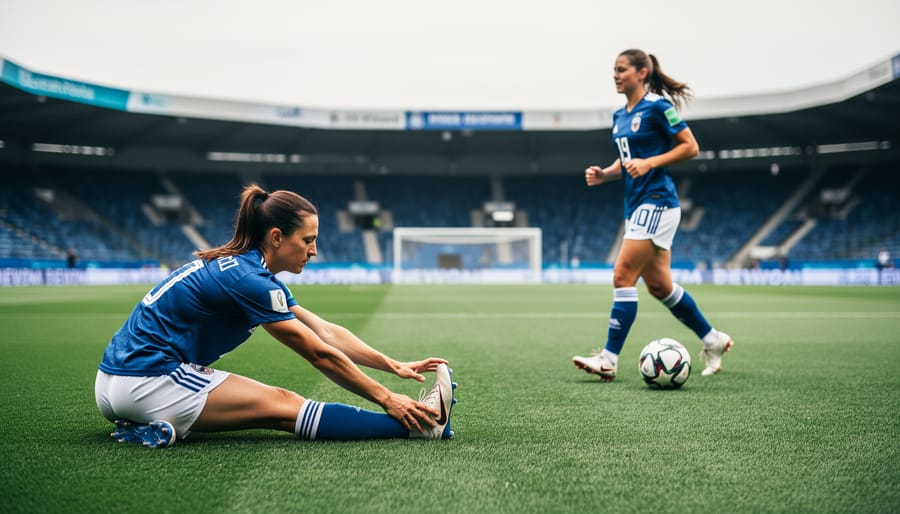
Women’s friendlies are international matches played outside of major tournaments, giving national teams the chance to test tactics, build chemistry, and prepare for competitive fixtures ahead. Right now, teams around the world are in the midst of the October FIFA international window, with Canada recently hosting matches and more fixtures on the horizon as squads fine-tune their form heading into the November window.
These matches matter far more than the “friendly” label suggests. They’re where coaching staff experiment with formations, where rising players earn their first caps, and where established stars return from injury. For fans, they offer something tournaments can’t: accessibility. You’ll often find better ticket availability, more intimate venues, and a relaxed atmosphere that welcomes families and newcomers to the sport.
The current landscape is buzzing with activity. Canada’s women’s team has been preparing for upcoming friendlies against Brazil in November, while their recent roster selections for matches in Europe show the depth coaches are exploring across all positions. National federations worldwide are using this window to sharpen their squads, making October a prime time to catch world-class talent in action without the pressure-cooker intensity of a World Cup or Olympic qualifier.
Whether you’re a long-time supporter or curious newcomer, women’s friendlies offer an unfiltered look at the global game. The stakes may be lower, but the skill, passion, and community spirit are just as real.
What Makes Women’s Friendlies Different from Competitive Matches
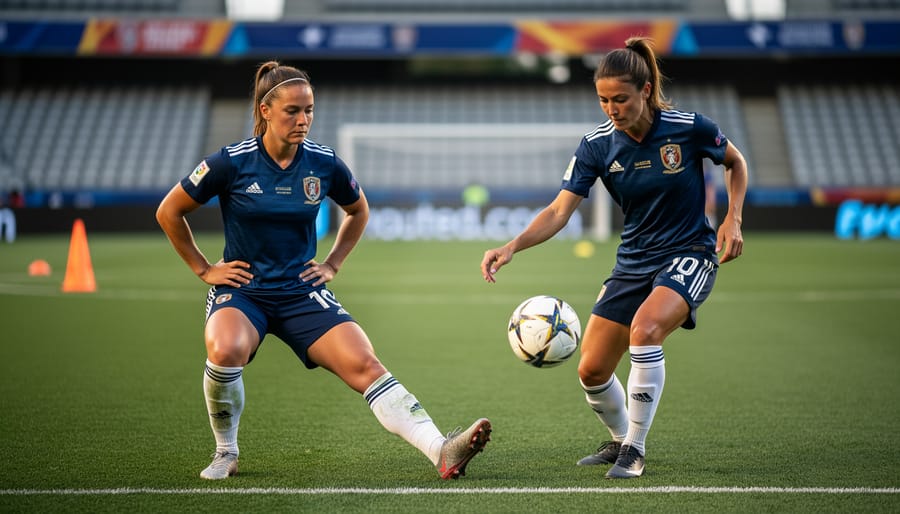
Women’s friendlies operate under a different set of rules than the high-stakes qualifiers and tournaments that dominate the calendar. There’s no trophy on the line, no points table tracking every result, and no immediate consequences for trying something new. That freedom is precisely what makes these matches invaluable for national teams preparing for the moments when everything counts.
Unlike competitive fixtures where starting lineups lean heavily on proven performers, friendlies give coaches license to experiment. A defensive midfielder might slot into center-back. A promising 19-year-old earns her first senior cap. Three different formations get tested across ninety minutes. These trials would be reckless in a World Cup qualifier, but in a friendly, they’re strategic preparation. Coaches gather data on how players respond under international pressure, which partnerships gel, and which tactical adjustments hold up against quality opposition.
Player development accelerates during these windows. Young talents who’ve impressed at club level get exposed to international pace and physicality without the weight of must-win pressure. Experienced players returning from injury rebuild match fitness. Fringe squad members demonstrate they deserve consideration for major tournaments. The environment allows growth through real competition, not just training ground drills.
Team chemistry benefits too. National squads reunite only periodically, unlike club teams that train together daily. Friendlies provide crucial time for players to sync their movement patterns, understand teammates’ tendencies, and build the communication that separates good teams from great ones. Two November friendlies against Brazil, for instance, offer Canada extended preparation time together before competitive windows resume, strengthening connections that will matter when qualification is on the line.
These matches represent strategic investments. Teams are building toward major tournaments, testing themselves against opponents who play different styles, and deepening their roster beyond the starting eleven.
The 2026 International Window: What’s Happening Now
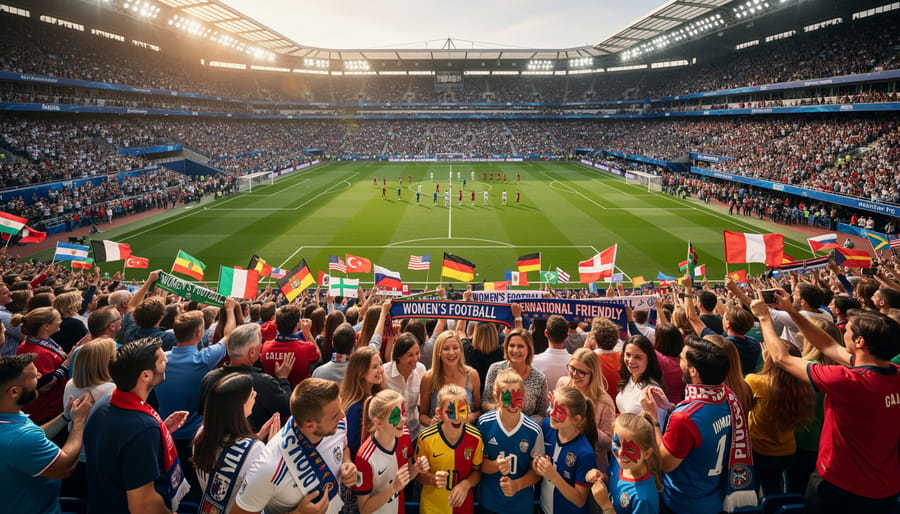
The international calendar right now is packed with opportunity. Teams around the world are using this October window and looking ahead to November’s FIFA international dates to sharpen their squads, test new talent, and build momentum heading into major tournaments. For women’s national teams, these friendlies represent critical preparation time that might not come again for months.
Canada’s schedule illustrates this perfectly. The team faced Denmark on October 9th at BMO Field in Toronto, giving head coach Bev Priestman a chance to evaluate players in a competitive setting against European opposition. That match served dual purposes: testing tactical adjustments and giving roster hopefuls meaningful minutes against a quality opponent. More importantly, Canada has already announced plans to head to South America for Canada in November window friendlies against Brazil, setting up encounters that will test the team against a completely different playing style in challenging away conditions.
Brazil’s involvement in November underscores how top-tier programs are prioritizing these fixtures. Hosting Canada gives Brazil home-field experience against CONCACAF opposition while maintaining match fitness during the international break. For Canada, traveling south means adapting to different conditions, hostile crowds, and Brazil’s technical, attack-minded approach, exactly the kind of challenge that builds resilience.
Beyond these high-profile matchups, national teams across Europe, Asia, and Africa are filling their calendars with friendlies during these windows. Smaller programs are scheduling matches against regional rivals to develop talent pipelines. Established powers are testing fringe players who might become starters by the next World Cup cycle. Every fixture carries purpose, whether it’s integrating a new goalkeeper, trialing a formation change, or simply keeping players sharp between club seasons.
Why Teams Schedule Friendlies: Strategy Behind the Matches
National teams treat friendlies as laboratories where they can refine tactics and build depth without the stakes of tournament qualification or silverware. Unlike competitive matches where the result drives every decision, friendlies create space for coaches to experiment with formations, test different player combinations, and evaluate emerging talent against quality opposition. This experimentation is essential for building resilient squads capable of adapting when tournaments demand quick tactical shifts.
Preparation for major competitions drives much of the friendly calendar. Teams deliberately seek opponents who mirror the style or physical demands they’ll face in upcoming tournaments. A squad preparing for opponents known for high-pressing systems will schedule friendlies against teams who play that way. These rehearsals let coaches stress-test their game plans and identify weaknesses before they matter in competitive fixtures. They’re also opportunities to simulate tournament conditions, playing back-to-back matches in short windows, managing travel and recovery, and keeping players sharp during gaps in the international calendar.
Player development sits at the core of why programs invest in friendlies. Younger players gain invaluable international experience in a lower-pressure environment, accelerating their readiness for competitive matches. Veterans returning from injury can rebuild match fitness without the risk of compromising a tournament campaign. This rotation keeps the entire player pool engaged and competitive, preventing squads from becoming stale or overly reliant on a fixed starting eleven.
Team cohesion matters just as much as individual development. International players spend most of the year scattered across different club leagues, playing in different systems with different teammates. Friendlies provide concentrated periods where national team chemistry can develop, building the communication, timing, and trust that separate cohesive units from collections of talented individuals. These intangibles often determine outcomes when competitive matches tighten, making friendlies strategic investments that pay dividends when tournaments arrive.
How to Follow and Support Women’s Friendlies
Following women’s friendlies is easier than you might think, and your engagement genuinely helps grow the sport. National teams announce their friendly schedules well in advance of FIFA international windows, so checking official federation websites and social media channels keeps you in the loop. Canada Soccer, for example, regularly posts roster announcements and match details for upcoming fixtures, like the November friendlies in Brazil, giving fans time to plan how they’ll tune in.
Finding where to watch women’s friendlies takes a bit more detective work than following major tournaments, since broadcast arrangements vary by country and opponent. Many matches stream on national federation platforms, YouTube channels, or regional sports networks. Checking team announcements a few days before kickoff usually reveals streaming options, and joining the soccer community online connects you with fans who share links and viewing information.
For matches played domestically, attending in person makes a real difference. When national teams host friendlies at venues like BMO Field in Toronto, ticket prices are often more accessible than competitive qualifiers, giving families and new fans an affordable entry point. Even modest attendance figures send a message to federations and broadcasters that there’s demand for women’s soccer.
Here’s how to stay connected and show your support:
- Follow your national team’s official social media for roster announcements and fixture confirmations
- Mark FIFA international windows on your calendar, typically March, June, September, and November
- Check local sports bars or community centres for organized viewing events during major friendlies
- Attend matches when teams play in your region, bringing friends or family to build the atmosphere
Your viewership and attendance directly influence decisions about future scheduling, broadcast deals, and investment in women’s programs. Teams notice when friendlies draw engaged audiences, and that attention creates momentum that carries into competitive tournaments and league growth.
The Community Impact: Why These Matches Build the Sport

Women’s friendlies create ripples that extend far beyond the 90 minutes on the pitch. When national teams take the field for these matches, young players watching from the stands or streaming at home see a version of themselves in those jerseys. That visibility matters. A girl who watches her country’s team test tactics against international opposition doesn’t just see elite athletes, she sees a pathway that feels tangible and within reach.
These matches strengthen local soccer ecosystems in concrete ways. Clubs and academies see registration spikes following international windows. Coaches use friendly matches as teaching moments, breaking down tactical decisions with their youth teams. Parents who might have hesitated to join women’s soccer programs gain confidence when they witness the professionalism and skill on display during friendlies broadcast across multiple platforms.
The growth shows up in infrastructure too. Cities that host women’s friendlies often invest in facility upgrades, and those improvements benefit community programs year-round. Leagues like the Northern Super League gain momentum partly because international matches normalize the idea that women’s soccer deserves the same resources and attention as any other elite competition.
Each friendly builds the foundation for the next generation, not through abstract inspiration, but through demonstrated commitment, increased access, and a growing network of players, coaches, and supporters who recognize women’s soccer as central to the sport’s future.
Women’s friendlies aren’t just warm-ups, they’re where the future of the game takes shape. These matches give you a front-row seat to emerging talent, tactical innovation, and the relentless drive that’s pushing women’s soccer forward every season. Whether you’re a longtime supporter or just discovering the sport, there’s never been a better time to get involved.
Check match schedules, find local viewing events, and connect with the growing community of fans who know that every friendly matters. Explore women’s soccer leagues, tournaments, and grassroots programs on Wixxy Sports and be part of the movement that’s making the beautiful game stronger, more inclusive, and more exciting than ever.