
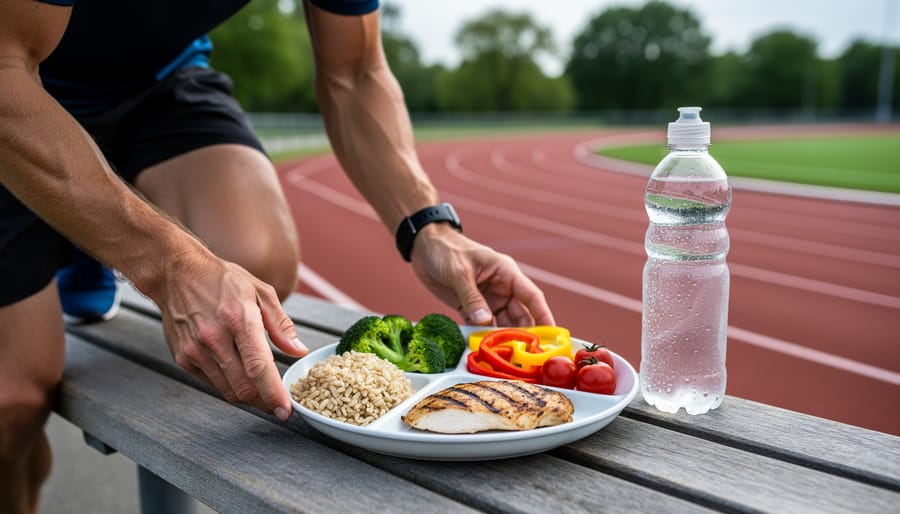
Nutrition powers every stride, sprint, and goal kick, but knowing what to eat and when can feel overwhelming for active people. The good news? You don’t need a degree in biochemistry to fuel your body effectively. Smart nutrition comes down to timing your meals around activity, balancing macronutrients to support your training goals, staying hydrated beyond just drinking water, and personalizing your approach based on how your body responds.
Whether you’re logging miles for your next half marathon or playing weekend soccer matches, what you put on your plate directly impacts your energy levels, recovery speed, and performance. Many runners and athletes unknowingly sabotage their progress by skipping meals before training, relying too heavily on supplements instead of whole foods, or following restrictive diets that leave them depleted.
The diet nutrition articles that follow cut through the noise with evidence-based guidance tailored for people who move. You’ll discover how to match your carbohydrate intake to your training intensity, why protein timing matters more than total daily amounts for some athletes, and which hydration strategies actually work during hot-weather workouts. We’ll also tackle the most common nutrition mistakes that keep active individuals from reaching their potential, from underfueling during long runs to misunderstanding recovery nutrition.
From the connection between healthy running habits and proper fueling to soccer-specific nutrition strategies, this collection gives you practical tools to eat smarter and perform better. Your community of fellow sports enthusiasts is already putting these principles into action. Now it’s your turn to make nutrition work for your active lifestyle.
Why What You Eat Directly Impacts Your Game
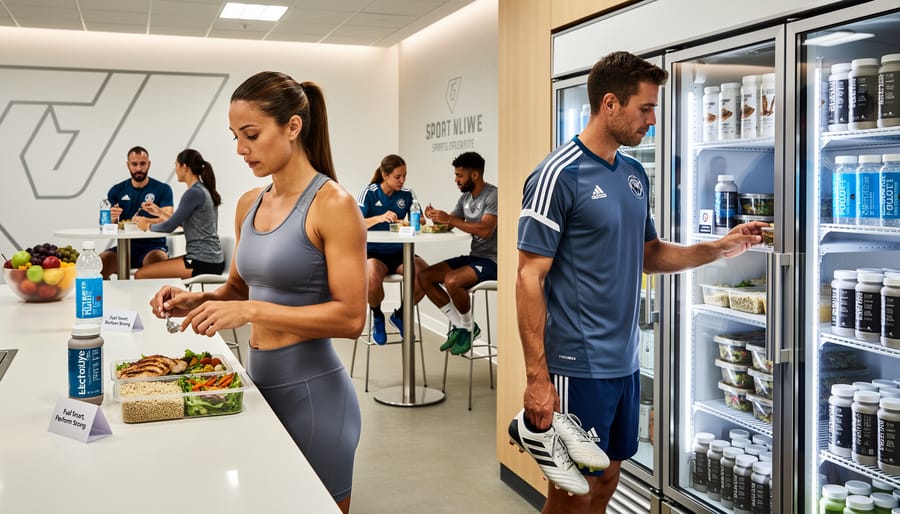
Your body is a high-performance machine, and nutrition is the fuel that determines whether you’ll power through that final sprint or hit the wall at mile six. The food choices you make today directly shape how you perform tomorrow, and science backs this up with decades of research linking diet quality to athletic outcomes.
When you eat balanced meals with the right mix of nutrients, your body converts those calories into usable energy through metabolic pathways. Carbohydrates break down into glucose, which your muscles store as glycogen, your primary energy reserve during runs and matches. Without adequate glycogen stores, your legs feel heavy, your pace drops, and that burst of speed you need to beat an opponent just isn’t there. Studies consistently show that athletes who maintain proper carbohydrate intake can sustain higher intensity efforts for longer periods compared to those running on empty.
Protein intake affects how quickly your muscles repair after training. Every practice session creates microscopic tears in muscle fibers. Consuming protein within a few hours post-workout provides the amino acids your body needs to rebuild those fibers stronger than before. Skip this step regularly, and you’re setting yourself up for prolonged soreness, incomplete recovery, and eventual overuse injuries.
Recovery nutrition also manages inflammation. Soccer players who tackle hard or runners who log high mileage generate oxidative stress in their bodies. Antioxidant-rich foods, berries, leafy greens, nuts, help neutralize free radicals and reduce muscle damage. This means less downtime between sessions and better consistency in your training schedule.
Even hydration status shifts your performance window. Losing just two percent of your body weight through sweat impairs cardiovascular function and temperature regulation, forcing your heart to work harder for the same output. Your nutrition choices ripple through every aspect of your game, from first touch to final whistle.
The Essential Nutrients Every Active Person Needs

Carbohydrates: Your Primary Fuel Source
Carbs fuel the explosive sprints in soccer and the steady miles of a long run, they’re the energy currency your muscles burn during exercise. When you eat carbohydrates, your body converts them to glucose and stores the excess as glycogen in your muscles and liver, creating readily available energy reserves. Research on carbohydrate intake for endurance athletes shows that depleted glycogen stores lead directly to fatigue, diminished performance, and that heavy-legged feeling mid-activity.
The best carb sources for active people aren’t found in processed snacks. Focus on whole grains like oats, brown rice, and quinoa, starchy vegetables such as sweet potatoes, and fruits that deliver both energy and micronutrients. These complex carbohydrates provide sustained energy release rather than the spike-and-crash cycle of simple sugars.
Timing matters as much as quality. Load up on carbs two to three hours before training to top off glycogen stores without feeling sluggish. During extended sessions over 90 minutes, quick-digesting carbs like bananas or energy gels maintain performance. Concepts from athletic medicine emphasize that matching your carb intake to your training intensity and duration optimizes both performance and recovery.
Protein: Building and Repairing Your Body
Protein isn’t just about building muscle mass, it’s the structural foundation your body uses to repair micro-tears in muscle fibers after every training session or match. Whether you’re logging miles on the road or sprinting across the pitch, your muscles break down during exercise and need adequate protein to rebuild stronger.
For active individuals, research on protein and training adaptations suggests aiming for 1.6 to 2.2 grams per kilogram of body weight daily. That means a 70kg runner needs roughly 112-154 grams spread throughout the day, not crammed into one massive post-workout shake.
Quality matters as much as quantity. Lean meats, fish, eggs, and dairy provide complete protein profiles with all essential amino acids your muscles crave. Plant-based athletes can hit their targets through combinations of legumes, quinoa, tofu, and tempeh, just pay attention to total intake since plant proteins often require larger portions.
Timing plays a supporting role too. Your body can only process about 20-40 grams in a single sitting, so distributing protein across meals and snacks keeps your recovery machinery running smoothly. Think chicken breast at lunch, Greek yogurt mid-afternoon, and salmon for dinner rather than banking everything on one meal.
Healthy Fats and Micronutrients That Support Endurance
While carbohydrates and protein often steal the spotlight, healthy fats play an equally vital role in endurance performance. Fats serve as your body’s backup fuel tank during longer, lower-intensity efforts, think those easy Sunday runs or steady-paced training sessions. Unlike quick-burning carbs, fats provide sustained energy that keeps you going when glycogen stores start to dip.
Focus on unsaturated fats from sources like avocados, nuts, seeds, olive oil, and fatty fish such as salmon or mackerel. These foods also deliver omega-3 fatty acids, which reduce inflammation and support faster recovery between training sessions. Aim for fats to comprise about 20-35% of your daily calories, but remember they’re calorie-dense, so portions matter.
Micronutrients often get overlooked, yet they’re critical for converting food into usable energy and keeping your body functioning optimally. Iron carries oxygen to working muscles, crucial for runners covering distance. Calcium and vitamin D work together to maintain bone strength under the repeated impact of training. Magnesium supports muscle function and helps prevent cramping during matches or long runs. Research on micronutrients for athletic performance shows that deficiencies in these key vitamins and minerals can significantly impair your results.
Get these nutrients from whole foods first, leafy greens, citrus fruits, dairy, lean meats, and fortified cereals, before considering supplements.
Pre-Workout Nutrition: Timing Your Fuel for Maximum Energy
What you eat before training or competition can make or break your performance. Get it right, and you’ll feel powerful, focused, and ready to push hard. Get it wrong, and you might deal with stomach cramps, sluggish legs, or an energy crash halfway through.
The golden rule: eat a balanced meal containing carbs, moderate protein, and minimal fat about 3 to 4 hours before activity. This window gives your body time to digest and convert food into usable energy without leaving you feeling heavy. A plate with grilled chicken, rice, and steamed vegetables works perfectly. So does pasta with lean meat sauce or a turkey sandwich on whole grain bread with a piece of fruit.
If you’re training early or need a closer fuel-up, shift to a lighter snack 60 to 90 minutes beforehand. Focus on easily digestible carbs with a touch of protein: a banana with a tablespoon of nut butter, Greek yogurt with berries, or a slice of toast with honey. Keep portions smaller, roughly 100 to 200 calories, to avoid digestive issues while still topping off your energy stores.
Timing matters more than most athletes realize. Eating too close to activity forces your body to split resources between digestion and performance. Leave at least 30 minutes after any snack before intense effort, and test different foods during training sessions, never on race day.
Skip high-fiber, high-fat, or unfamiliar foods before workouts. These slow digestion and increase the risk of stomach distress. Proper pre-workout nutrition isn’t just about performance, it also supports injury prevention by ensuring your muscles have adequate glycogen and your focus stays sharp throughout demanding sessions.
Post-Workout Recovery: The Nutrition Window That Matters
The first 30 to 45 minutes after your run or soccer match represents your body’s most receptive window for recovery nutrition. During this period, your muscles are primed to absorb nutrients, replenish depleted glycogen stores, and begin the repair process. Miss this window, and you’ll bounce back slower, or worse, risk accumulating fatigue that compromises your next training session.
Your post-workout meal should prioritize two things: fast-digesting carbohydrates to restore energy and high-quality protein to repair muscle tissue. The ideal ratio sits around 3:1 or 4:1 carbs to protein. For runners coming off a long training run, this might mean a banana with Greek yogurt and honey. Soccer players after a match could reach for a turkey sandwich on whole grain bread with a piece of fruit. If you combine your running schedule with gym training the protein component becomes even more critical for supporting strength adaptations.
Here’s your practical recovery nutrition strategy:
- Consume your recovery meal or snack within 30 to 45 minutes of finishing activity, when nutrient absorption peaks.
- Aim for 20 to 30 grams of protein, roughly the amount in three eggs, a scoop of protein powder, or 100 grams of chicken breast.
- Include 60 to 90 grams of carbohydrates from sources like rice, pasta, potatoes, or fruit to rapidly restore glycogen.
- Rehydrate with water or an electrolyte drink, targeting 150 percent of fluid lost through sweat.
- Follow up with a balanced meal two to three hours later if your initial recovery snack was light.
Real recovery happens when you consistently fuel your body right after demanding it to perform. Chocolate milk, surprisingly, hits that carb-protein ratio nearly perfectly and remains a favorite among endurance athletes for good reason. The key is preparation, pack your recovery snack before you head out so it’s waiting when you need it most.
Hydration: The Performance Factor You Can’t Ignore

Water isn’t just something you drink when you’re thirsty. It’s the delivery system for nutrients, the regulator of your body temperature, and the lubricant that keeps your joints moving smoothly during every stride and sprint. Even mild dehydration, losing just 2% of your body weight in fluids, can drop your performance by 10-20%. For a runner targeting a personal best or a soccer player in the final minutes of a match, that’s the difference between pushing through and hitting a wall.
Your body loses water constantly during exercise through sweat and breathing. On hot days or during intense sessions, you can lose more than a liter per hour. The signs aren’t always obvious at first. By the time you feel thirsty, you’re already slightly dehydrated. Watch for dry mouth, dark urine, headache, dizziness, or a sudden drop in performance. If you’re not sweating much during hard effort, that’s a red flag.
Plain water works fine for most training sessions under an hour, but longer or more intense activities require electrolyte replacement. Sodium, potassium, and magnesium leave your body through sweat, and losing too much affects muscle function and can lead to cramping. Sports drinks, coconut water, or electrolyte tablets help maintain this balance.
Start hydrating hours before your workout, not minutes. Drink 400-600ml about two hours before activity, then another 200-300ml fifteen minutes prior. During exercise, aim for 150-250ml every 15-20 minutes, adjusting for heat and sweat rate. After you finish, drink 150% of what you lost in sweat over the next few hours. A simple check: weigh yourself before and after training. Every kilogram lost equals roughly a liter of fluid you need to replace.
Common Nutrition Mistakes Active People Make
Even the most dedicated athletes trip over the same nutrition mistakes, habits that seem harmless but quietly drain your energy and delay recovery. The good news? Once you spot these patterns, they’re easy to fix.
Here are the most common nutrition pitfalls that can undermine your training:
- Undereating for your activity level, restricting calories too much leaves you without the fuel needed for intense training and recovery
- Skipping pre-workout meals, training on empty forces your body to break down muscle for energy instead of building it
- Ignoring post-workout nutrition, missing the recovery window means slower muscle repair and inadequate glycogen replenishment
- Following restrictive diet trends, cutting entire food groups like carbs can severely limit performance in endurance sports
- Relying too heavily on supplements, pills and powders can’t replace the complex nutrients found in whole foods
- Neglecting hydration timing, waiting until you feel thirsty means you’re already dehydrated and performance has dropped
Many runners and soccer players fall into the trap of eating the same thing every day without adjusting for training intensity. Your nutrition needs on a rest day differ dramatically from those on a long run day or match day. Another widespread mistake is copying someone else’s diet plan without considering your own body, goals, and training schedule. What works for your training partner might leave you exhausted.
The fix starts with awareness. Track how you feel during and after workouts for a week while noting what you ate beforehand. Notice patterns, that sluggish feeling might connect directly to skipping breakfast or that cramping could signal inadequate hydration. Small adjustments based on your actual experience beat following rigid rules that don’t fit your life.
Building Your Personal Nutrition Plan
Building a nutrition plan that works for you starts with honest assessment: what are you actually eating now, when do you train, and what feels sustainable long-term? Grab a notebook or app and track three to five typical days, not to judge yourself, but to spot patterns. Maybe you’re skipping breakfast before morning runs, or you realize you eat the same post-match meal that leaves you sluggish. Awareness creates the foundation for change.
Next, set one or two specific, measurable goals tied to your training. Instead of “eat healthier,” try “consume 20-25 grams of protein within an hour after Tuesday and Thursday soccer practice” or “add a serving of vegetables to lunch four days this week.” Small, concrete targets build momentum without overwhelming your routine. Review the fueling mistakes section to identify which pitfalls might be holding you back, then address one at a time.
Experiment deliberately: test a new pre-run snack during an easy training day, not race morning. Notice how different carbohydrate sources affect your energy two hours into a long run. Track what helps you recover faster after intense sessions. Your body will tell you what works, pay attention to energy levels, digestive comfort, performance improvements, and how you feel the next day.
Adjust as your training evolves. Nutrition needs shift between base-building phases and competition season, between off-season soccer and tournament weekends. Build flexibility into your plan rather than rigid rules, and give changes at least two weeks before deciding if they’re working. Progress beats perfection every time.
Nutrition isn’t something you master overnight. What works for your training partner might not work for you, and that’s completely normal. The best approach is to treat your nutrition plan as an ongoing experiment, try different pre-run meals, test various recovery strategies, and pay attention to how your body responds during training and competition.
Keep a simple food journal for a few weeks. Note what you ate, when you ate it, and how you felt during your workout or match. You’ll start spotting patterns that help you fine-tune your approach. Maybe you perform better with a bigger breakfast, or perhaps you need more frequent smaller meals throughout the day. These insights are gold.
Remember that building better nutrition habits takes time. Start with one change, better hydration, adding more vegetables, or improving your post-workout meals, and build from there. Small, consistent improvements compound into significant performance gains over months and years.
You’re not on this journey alone. The Wixxy Sports community connects thousands of runners, soccer players, and sports enthusiasts who are working on the same goals. Explore our global sports directory to find local events, training groups, and competitions in your area. Connect with fellow athletes who understand the challenges of balancing nutrition, training, and real life. Share what works for you, learn from others’ experiences, and keep moving forward together. Your next breakthrough might come from a conversation at your next event.