
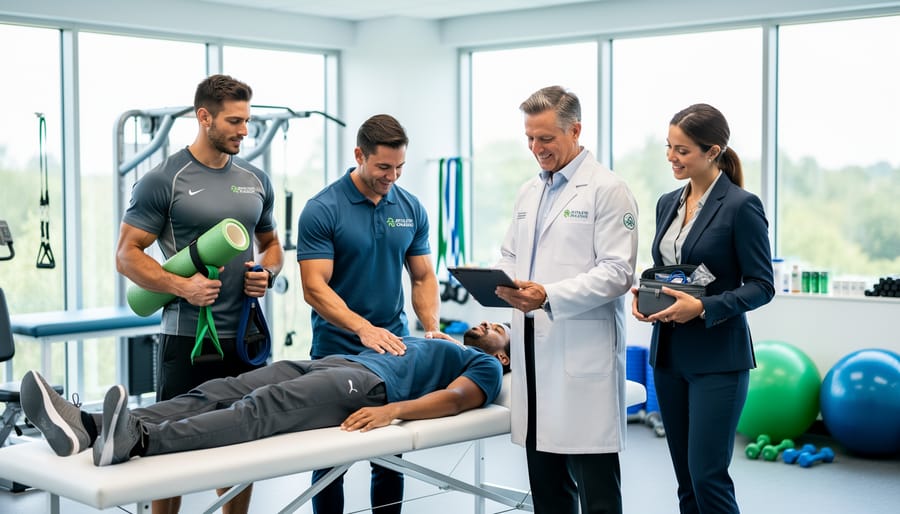
An institute of athletic medicine is a specialized healthcare facility designed to prevent, diagnose, treat, and rehabilitate sports-related injuries and conditions for athletes at every level. Unlike your regular doctor’s office or walk-in clinic, these centers bring together multidisciplinary teams of orthopedic surgeons, sports medicine physicians, physical therapists, athletic trainers, and nutritionists under one roof, all focused on getting you back to the activities you love as quickly and safely as possible.
Whether you’re training for your first 5K, playing weekend soccer with friends, or competing at an elite level, athletic medicine institutes offer something traditional medical settings can’t: a deep understanding of the biomechanics, demands, and goals specific to your sport. That understanding shapes every aspect of your care, from injury prevention programs tailored to your activity to rehabilitation protocols designed around your return-to-play timeline, not just symptom relief.
What makes these facilities different goes beyond equipment or expertise. It’s the perspective. The physicians and therapists working in athletic medicine recognize that “getting better” means more than pain reduction. It means restoring performance, maintaining fitness during recovery, and preventing future injuries so you can keep showing up for your team, your training partners, and the sports community that keeps you motivated.
This guide breaks down how athletic medicine institutes operate, the specific services they provide, and who benefits most from seeking care at these specialized centers. You’ll learn what to expect during your first visit and how to access these resources in your area.
What Institute Athletic Medicine Means
Institute athletic medicine is specialized healthcare built around a simple reality: your body moves differently when you’re chasing a soccer ball, logging marathon miles, or pushing through a fifth set on the tennis court. These institutes focus exclusively on the injuries, conditions, and performance needs that come with athletic activity, whether you’re a competitive triathlete or a recreational runner training for your first 5K.
Unlike your general practitioner who sees everything from flu symptoms to chronic disease, athletic medicine providers spend their days treating rolled ankles, diagnosing overuse injuries, rehabbing torn ligaments, and helping athletes return to the sports they love. They understand the biomechanics of running, the demands of cutting and pivoting in soccer, and the shoulder stress of swimming laps. That sports medicine focus means they’re not just treating your injury, they’re considering how it affects your training schedule, upcoming races, or league play.
- Athletic Medicine
- Specialized medical care focused on preventing, diagnosing, and treating injuries and conditions that occur during sports and physical activity.
- Sports Medicine Institute
- A facility where multiple healthcare professionals work together to provide comprehensive athletic care, from injury prevention to rehabilitation and performance enhancement.
- Athletic Trainer
- A certified healthcare professional who specializes in injury prevention, assessment, and rehabilitation, often working directly with athletes during training and competition.
- Sports Physician
- A medical doctor with specialized training in treating athletic injuries and understanding how the body responds to physical demands.
- Multidisciplinary Care
- A team-based approach where different specialists, doctors, physical therapists, trainers, nutritionists, collaborate on your treatment and recovery plan.
What sets these institutes apart is their holistic view of athletic health. They don’t just patch you up and send you home. They analyze your movement patterns, identify weakness that contributed to your injury, adjust your training load, and create a plan that gets you back to full participation safely. For a runner dealing with persistent knee pain or a soccer player recovering from a hamstring tear, that comprehensive approach makes all the difference.
How Institute Athletic Medicine Works
The Team Behind Your Care
Walking into an athletic medicine institute, you’ll meet a coordinated group of specialists who work together on your behalf. The sports medicine physician leads your medical care, diagnosing injuries, ordering imaging, prescribing treatments, and deciding when you’re ready to return to play. Physical therapists design your rehabilitation program, guiding you through exercises that rebuild strength and restore movement patterns specific to your sport.
Athletic trainers bridge the gap between clinic and field. They assess injuries during practice or games, manage acute care, and often supervise your day-to-day rehab progression. Many runners and soccer players work closely with trainers who understand the biomechanics of their sport.
You might also connect with nutritionists who fuel your recovery and performance, strength coaches who address muscle imbalances, and sports psychologists who help you navigate the mental side of injury. In complex cases, orthopedic surgeons join the conversation, though most athletic injuries resolve without surgery. This collaborative model means you’re never navigating recovery alone, each specialist contributes their expertise toward getting you back to the sports you love.
From Injury to Full Recovery
Your journey through an athletic medicine institute typically starts with a comprehensive initial evaluation. A sports medicine physician will review your injury history, assess your movement patterns, and often order diagnostic imaging if needed. This first visit establishes a baseline and creates your personalized treatment plan, not a one-size-fits-all protocol, but a roadmap built around your sport, your goals, and your body’s specific needs.
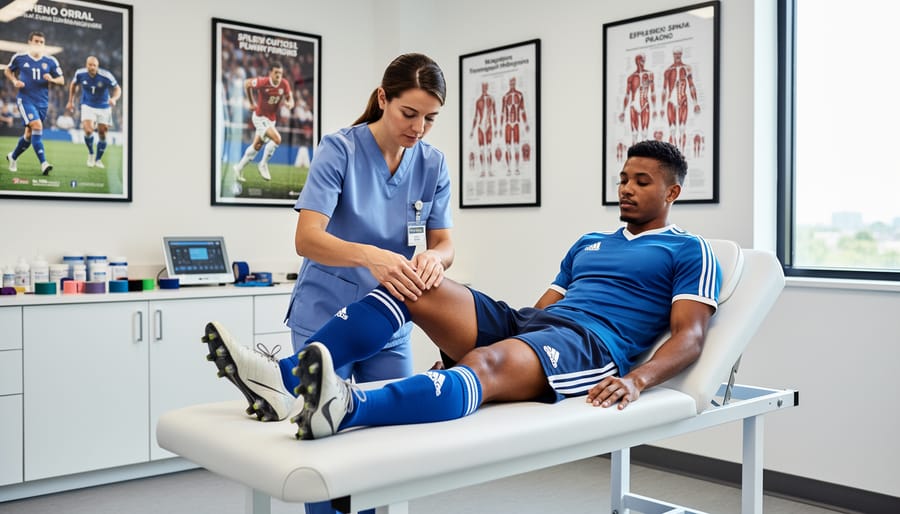
Treatment begins immediately based on what you need most. For a runner with a stress fracture, that might mean cross-training modifications while the bone heals. A soccer player with an ACL tear might start pre-surgery strengthening exercises. Throughout this phase, you’ll work closely with physical therapists and athletic trainers who monitor your progress weekly, adjusting exercises as you improve.
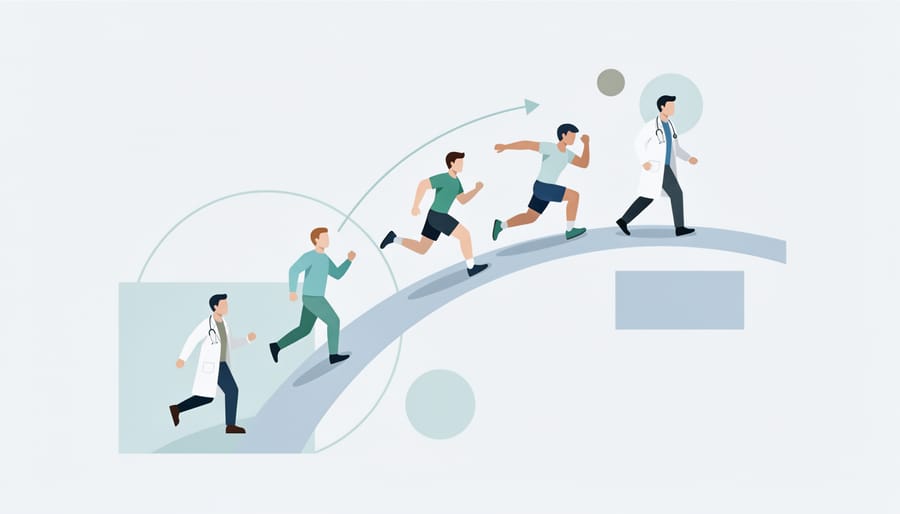
Rehabilitation forms the core of your recovery. You’ll progress through stages: controlling pain and swelling first, then rebuilding strength, improving mobility, and finally restoring sport-specific movements. Your therapist will challenge you with exercises that mimic the demands of your sport. A basketball player practices cutting and jumping. A tennis player works on rotational power and quick direction changes.
Return to sport clearance happens when you’ve met specific benchmarks, full range of motion, strength matching your uninjured side, and successful completion of sport-specific drills without pain or compensation. Your medical team doesn’t just clear you to play; they prepare you to perform confidently and reduce your reinjury risk.
Services and Specialties You’ll Find
Injury Prevention and Assessment
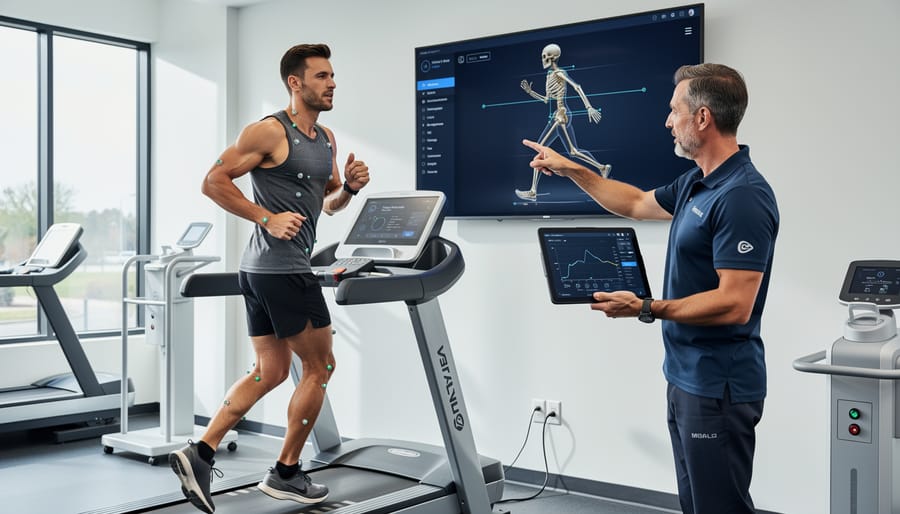
One of the most valuable services you’ll find at an athletic medicine institute is proactive injury prevention, helping you stay on the field or road instead of sidelined. Through movement screenings, these specialists watch how you run, jump, cut, and change direction to spot biomechanical issues before they cause problems. A runner with hip weakness might unknowingly load their knees incorrectly with every stride, while a soccer player’s landing pattern could set them up for an ACL tear down the road.
The assessment process typically includes flexibility tests, strength measurements, and video analysis of sport-specific movements. From there, you receive personalized recommendations, targeted exercises to strengthen weak areas, form corrections to reduce stress on vulnerable joints, and training modifications that support healthy running or better performance in your sport. For runners logging high weekly mileage or soccer players training year-round, this preventive approach catches small issues while they’re still fixable, keeping you active and competing rather than recovering from an injury that could have been avoided.
Diagnosis and Treatment
When you walk into an athletic medicine institute with an injury, you’re getting access to diagnostic tools that pinpoint exactly what’s going wrong. Most institutes have imaging equipment on-site, X-rays, MRI machines, and ultrasound, so you’re not bouncing between facilities waiting days for answers. They’ll also run biomechanical assessments and sometimes blood work to understand inflammation markers or nutritional deficiencies affecting your recovery.
Treatment options span the full spectrum. For many injuries, physical therapy forms the foundation, with protocols tailored to your sport’s specific demands. You might work through exercises that mimic soccer cuts or running mechanics rather than generic rehab. Some institutes offer regenerative treatments like platelet-rich plasma (PRP) injections or shockwave therapy for stubborn issues like tendinitis. When conservative approaches aren’t enough, orthopedic surgeons within the institute can perform procedures from arthroscopic repairs to reconstructive surgery.
The advantage? Your entire care team shares information through one system. Your physical therapist knows what the doctor saw on your MRI, and your surgeon coordinates directly with your athletic trainer about your return-to-play timeline.
Performance Enhancement
Athletic medicine institutes aren’t just for injured athletes, they help healthy competitors get better at their sport. If you’re training for a marathon or aiming to make your soccer team’s starting lineup, these facilities offer services designed to boost performance.
Strength and conditioning programs form the core of performance work. Sports medicine specialists assess your current fitness level, identify weaknesses that limit your athletic potential, and design strength training protocols tailored to your sport’s demands. A distance runner might focus on hip stability and core strength to maintain form over long distances, while a soccer player works on explosive power for sprints and jumps.
Nutrition planning addresses the fuel your body needs. Sports dietitians create eating strategies that support your training load, optimize recovery between sessions, and help you reach competition weight without sacrificing energy. They consider your schedule, preferences, and sport-specific requirements.
Sport-specific training guidance connects medical expertise with athletic goals. Biomechanics experts analyze your running gait or kicking technique, identifying movement patterns that waste energy or create injury risk. You get concrete adjustments that make you faster, more efficient, and more durable throughout your competitive season.
Who Benefits from Athletic Medicine Institutes
Athletic medicine institutes serve a far broader range of athletes than many people realize. You don’t need to be a professional or elite competitor to benefit from specialized sports medicine care, these facilities support anyone who moves, competes, or simply wants to stay active without getting sidelined.
The diverse populations served include:
- Competitive team sport athletes needing coordinated care for their entire roster
- Marathon runners and triathletes managing training volume and preventing overuse injuries
- Weekend warriors balancing sport with work and family commitments
- Youth athletes establishing healthy movement patterns early
- Masters and senior athletes staying active despite age-related changes
Competitive soccer teams, for example, often partner with athletic medicine institutes for pre-season screenings that identify injury risk factors like muscle imbalances or previous injuries that haven’t fully healed. The institute becomes an extension of the team’s support system, providing immediate sideline care during matches and coordinating rehabilitation when players get hurt.
Marathon runners turn to these institutes when training plans push their bodies to new limits. A runner preparing for their first 26.2-mile race might visit for gait analysis that reveals biomechanical issues contributing to knee pain, then work with therapists to correct form before the problem derails months of training. Cyclists benefit similarly, accessing cycling support that addresses everything from bike fit adjustments to managing saddle discomfort.
Recreational players managing chronic issues find particular value in the longitudinal care model. That nagging shoulder problem from years of recreational tennis doesn’t have to end your time on the court, athletic medicine physicians can develop management strategies that let you keep playing while addressing the underlying cause.
Youth athletes gain more than injury treatment. Institutes teach proper warm-up routines, safe strength training progression, and recovery habits that reduce injury rates throughout their athletic careers. These early interventions matter, especially as specialization and year-round competition increase demands on young bodies.
Finding the Right Institute for Your Needs
Choosing the right athletic medicine institute starts with checking credentials and specializations. Look for board-certified sports medicine physicians, licensed physical therapists with sports specialties, and certified athletic trainers on staff. Many institutes list their team’s qualifications online, so you can see who specializes in your sport, if you’re a runner dealing with chronic knee pain, you want therapists who understand running biomechanics, not just general orthopedics.
Ask direct questions when you contact an institute. What’s their typical timeline from first appointment to diagnosis? Do they coordinate with your coach or training group? Can they work around your race schedule or competition calendar? The best institutes understand that your sport is a priority and will build treatment plans that get you back to training safely rather than just telling you to rest indefinitely.
Do I need a referral to see a sports medicine specialist?
Many athletic medicine institutes accept patients without referrals, though your insurance plan might require one for coverage. Call ahead to check both the institute’s policy and your insurance requirements.
What if I’m not a professional athlete?
Athletic medicine institutes serve athletes at every level, from weekend soccer players to marathon runners to people just starting a fitness routine. Your commitment to staying active is what matters, not your competitive status.
How much does treatment typically cost?
Costs vary widely based on services needed and insurance coverage. Initial consultations often range from $150-$300 without insurance, while physical therapy sessions might cost $75-$200 each. Many institutes offer payment plans or package rates for ongoing care.
Can they help with chronic issues, not just acute injuries?
Yes, athletic medicine institutes specialize in managing chronic conditions like tendinopathy, stress fractures, and overuse injuries that plague active people. They focus on keeping you moving while addressing underlying problems.
Your local sports community is often the best resource for finding quality care. Ask teammates, running club members, or fellow soccer players which institutes they trust. Team doctors at local clubs and event medical staff at races can also point you toward reputable providers who understand your sport’s demands.
Institute athletic medicine exists to keep you in the game, whether that’s crossing finish lines at local 5Ks, dominating your weekend soccer league, or simply staying active in the sports you love. These specialized facilities understand that your athletic goals matter, regardless of whether you’re chasing podium finishes or personal bests.
The right medical support makes all the difference between sidelined frustration and continued participation. When you prioritize prevention, seek expert care for injuries, and work with professionals who understand athletic demands, you’re investing in years of healthy movement and competition.
Your sports community needs you healthy and active. Ready to find your next race, join a local league, or discover new sporting events? Head to Wixxy Sports to explore thousands of participatory opportunities worldwide, from marathons and triathlons to recreational leagues and community tournaments. Connect with fellow athletes, register for upcoming events, and keep doing what you love. Your next athletic adventure awaits, and with proper medical support behind you, you’ll be ready to tackle it head-on.