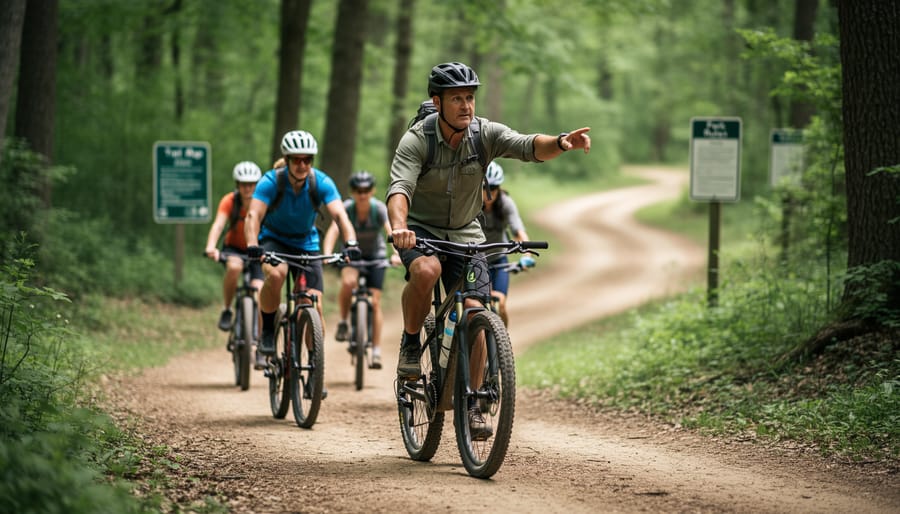
A local guide program connects outdoor enthusiasts with experienced community members who lead cycling routes, trail runs, hikes, and other active adventures in their home regions. These programs transform how visitors and newcomers discover an area, replacing generic tourist paths with insider knowledge about hidden climbs, scenic loops, and the best times to ride before crowds arrive. Whether you’re looking to explore a new destination with confidence or share your favorite routes as a guide, these programs create authentic connections between locals and the broader sports community.
The concept is straightforward. Local guides volunteer or work part-time to lead small groups through their area’s best outdoor offerings. Participants gain immediate access to safe routes, local tips, and real-time advice about conditions, while guides build community ties and often receive perks like gear discounts or training opportunities. Cities and regions with active cycling and outdoor scenes have embraced these programs to promote responsible tourism, reduce trail congestion, and give visitors experiences they’d never find on their own.
Getting involved is easier than most people expect. Aspiring guides typically need solid knowledge of local terrain, basic first-aid certification, and enthusiasm for sharing their passion. Participants simply sign up through community platforms, tourism boards, or outdoor clubs. The barrier to entry stays intentionally low because these programs thrive on genuine local expertise rather than formal credentials. The result is a win for everyone: visitors experience places like residents do, guides strengthen their community role, and local outdoor economies grow sustainably.
What Makes a Local Guide Program Work
A local guide program only works when it balances formal structure with grassroots flexibility. The best programs aren’t just certification factories, they’re community ecosystems that develop knowledgeable guides while keeping outdoor experiences approachable for everyone.
At the foundation, certification matters. Reputable programs require guides to demonstrate competence in first aid, risk assessment, and emergency protocols specific to cycling and outdoor activities. But certification alone doesn’t make someone a great guide. The knowledge base extends far beyond technical skills:
- Intimate terrain knowledge: reading trail conditions, seasonal variations, and route alternatives
- Safety systems: from mechanical troubleshooting to weather pattern recognition
- Local cultural awareness: respecting land use, engaging with communities, sharing regional stories
- Group management: pacing mixed-ability riders, maintaining cohesion, adapting plans on the fly
The programs that thrive build mentorship pipelines. New guides shadow experienced leaders for months, learning not just what to do but how to read a group’s energy, when to push and when to ease back. They develop judgment that no manual can teach.
Here’s the crucial balance: expertise without elitism. Strong programs maintain standards while recognizing that guides come from diverse backgrounds. A lifelong cyclist who lacks formal credentials but knows every hidden trail and seasonal waterfall brings value. The structure exists to ensure baseline safety and quality, not to gatekeep people out.
Successful programs also embed continuous learning. Guides attend seasonal refreshers, share route updates, and discuss challenging situations. This ongoing exchange keeps knowledge current and builds a supportive network rather than isolating individuals.
The sweet spot is clear standards paired with real-world mentorship, creating guides who are technically sound, culturally connected, and genuinely excited to share their local terrain with others.
Why Cyclists and Outdoor Enthusiasts Choose Local Guides
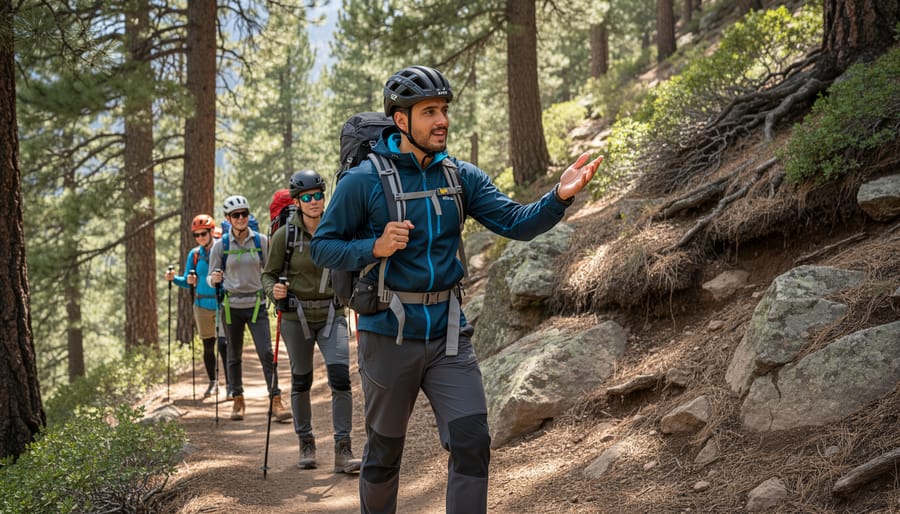
When you roll up to a new trail or route with a local guide, you’re not just getting a tour, you’re accessing years of accumulated knowledge that no app or GPS can replicate. Guides know which climb rewards you with the best sunrise view, where the rocky descent gets dicey after rain, and which café at mile fifteen serves the cold brew that’ll save your afternoon.
Safety ranks high for most participants. Local guides read terrain conditions in real time, anticipate weather shifts specific to the region, and carry the mechanical know-how to handle mid-ride emergencies. You’re less likely to end up lost on unmarked fire roads or caught off-guard by a sudden thunderstorm when someone who rides these routes weekly is leading the pack.
The cultural layer adds depth you miss on solo rides. Guides introduce you to the community, share stories about the landscape’s history, and often stop at local spots tourists never discover. That detour to a family-run vineyard or quick chat with a sheep farmer transforms a workout into an experience you’ll remember long after your legs recover.
Skill development happens organically. Watching an experienced rider tackle technical sections, learning cornering technique on unfamiliar trails, or getting real-time feedback on your pacing accelerates improvement faster than riding alone. Guides adapt their coaching to your level without making it feel like a formal lesson.
Perhaps most valuable is the instant community. Guided rides gather people with shared interests, creating friendships that extend beyond the ride itself. You swap route recommendations, plan future adventures together, and suddenly have a network of riding partners in a place you barely knew last week. That connection keeps people coming back.
Becoming a Local Guide: Your Path to Leadership
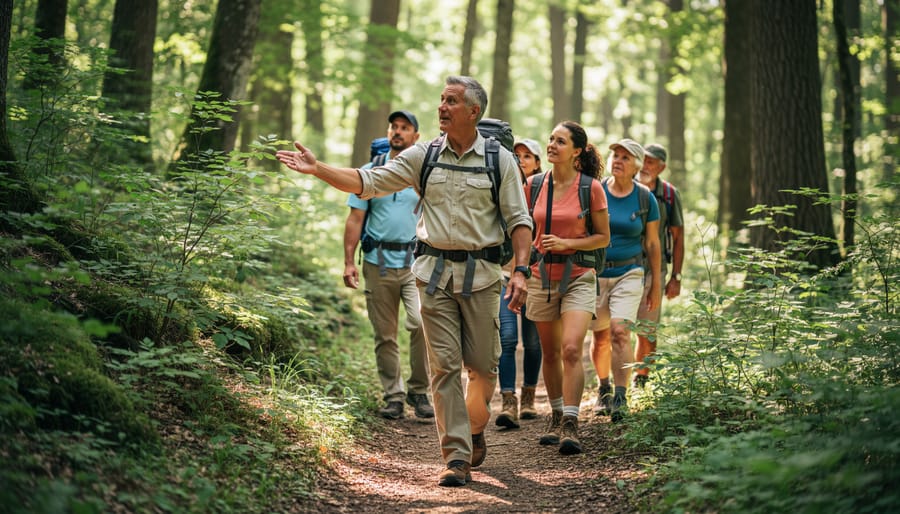
So you love cycling in your area and people keep asking where to ride, maybe it’s time to turn that passion into leadership. Becoming a local guide lets you share your routes, build community, and help others discover what makes your region special. Here’s how to get started.
The path to becoming a certified local guide varies by organization and region, but most programs follow a similar structure:
- Connect with an established program. Research local guide organizations, cycling clubs, outdoor recreation groups, or tourism boards that run guide certification. Many regions have multiple options, from volunteer-based community programs to professional guiding services.
- Complete foundational training. Most programs require courses covering first aid, outdoor safety protocols, risk assessment, navigation skills, and group management. Expect 20-40 hours of initial training, often delivered through weekend workshops or evening sessions over several weeks.
- Build route knowledge. You’ll need to demonstrate deep familiarity with local terrain, trail conditions, road networks, alternate routes, and seasonal challenges. Shadow experienced guides on multiple trips to learn how they handle unexpected situations and adapt to different group abilities.
- Gain supervised experience. Most programs require you to co-lead or assist on 5-15 guided trips before certifying you to lead independently. This mentorship phase is where you’ll refine your communication style, practice decision-making under real conditions, and learn to read group dynamics.
- Pass certification assessments. Final requirements typically include demonstrating technical skills (bike mechanics, navigation), leading a test group under observation, and sometimes completing written exams on safety procedures and local regulations.
The timeline from starting training to leading your first independent trip typically spans three to six months, depending on program intensity and how quickly you accumulate supervised experience hours. Some volunteer-based community programs move faster; professional certifications with higher liability considerations take longer.
Many programs charge certification fees ranging from $200 to $800, covering training materials, insurance, and assessments. However, volunteer community guide programs often waive or reduce these costs, especially if you commit to leading a minimum number of trips per season.
Don’t overlook the value of specialty certifications. Mountain bike instruction, wilderness first responder training, adaptive cycling qualifications, or cultural heritage knowledge can set you apart and open doors to more diverse guiding opportunities. The best guides never stop learning.
Finding Local Guide Programs in Your Area
Finding the right local guide program starts with knowing where to look. Start your search on community sports platforms that connect enthusiasts with local opportunities. These digital hubs aggregate cycling clubs, outdoor activity groups, and certified guides in your region, often with reviews and detailed profiles showing each guide’s specialties and experience level.
Regional tourism boards are goldmines for discovering established guide programs. Visit your area’s official tourism website or call their visitor information center. Many boards maintain curated lists of licensed guides and partner with outdoor recreation operators to promote local trail systems and cycling routes. They can also tell you about seasonal programs that might not advertise year-round.
Outdoor recreation organizations offer another reliable path. Groups like local cycling associations, hiking clubs, and mountain biking coalitions often run their own guide programs or can refer you to vetted professionals. Check their websites for upcoming guided rides, skill clinics, and social events where you can meet guides informally before committing to a full tour.
Don’t overlook bike shops and outdoor gear retailers in your community. Staff members frequently know which guides operate in the area and can recommend programs based on your interests and skill level. Many shops host weekly group rides led by knowledgeable locals who can introduce you to guide programs.
Social media groups focused on cycling and outdoor activities in your region provide real-time recommendations and firsthand experiences. Search for area-specific groups on platforms where outdoor enthusiasts gather, and ask members about their guide experiences. Word-of-mouth remains one of the most trustworthy ways to find quality programs that match your adventure style.
Building Community Through Guided Experiences
Local guide programs turn strangers into riding partners and transform familiar trails into shared experiences that build real community bonds. When participants return from a guided ride or trek, they carry more than memories of scenery, they carry connections to people who share their passion for outdoor adventure.
These programs strengthen local outdoor sports communities by creating regular gathering points where cyclists and hikers of varying abilities meet, ride together, and exchange knowledge. A guided mountain bike session introduces experienced riders to newcomers who might otherwise feel intimidated by technical trails, while group road cycling tours help visitors and residents discover routes they’d never find solo. This mixing of experience levels and backgrounds builds inclusive communities where everyone contributes something valuable.
The economic impact extends beyond guide fees. Participants often return to explore independently, recommend the area to friends, and support local bike shops, cafes, and accommodations. Small towns with active local guide programs see measurable tourism growth as word spreads about quality guided experiences. The guide program becomes a cornerstone of the local outdoor recreation economy, creating jobs and supporting related businesses.
Environmental stewardship thrives when guides lead by example. Group activities under expert guidance naturally teach trail etiquette, wildlife respect, and Leave No Trace principles without lecturing. Participants witness proper techniques firsthand, how to navigate sensitive habitats, manage group impact on narrow trails, and maintain natural spaces. They absorb these practices and carry them forward on future outings.
The relationships formed during guided experiences outlast the activity itself. Participants exchange contact information, organize independent rides together, and become advocates for protecting the outdoor spaces they’ve grown to love through their local guide program experiences.
What to Expect on Your First Guided Ride or Trek
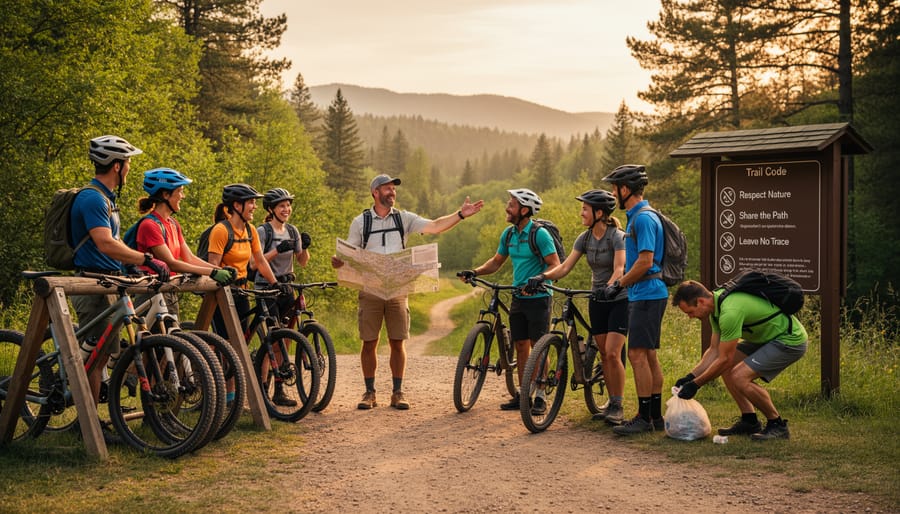
Your first guided experience starts with clear communication. Reach out to your guide before the scheduled ride or trek, most local guide programs encourage this, and ask questions about the planned route, expected duration, and any specific requirements. If you’re uncertain about your fitness level, be honest; experienced guides can often adjust the pace or suggest an alternative route that better matches your abilities.
Equipment preparation makes a significant difference. Here’s what you’ll typically need:
- A well-maintained bike appropriate for the terrain (or hiking boots for trekking programs)
- Weather-appropriate clothing in layers you can adjust throughout the day
- Water bottles or hydration pack with more capacity than you think you’ll need
- Basic repair tools and a spare tube if cycling
- Snacks or energy food for longer outings
- Sunscreen and any personal medications
Most groups gather 10-15 minutes before the official start time. This pre-ride briefing covers the route overview, hand signals or communication methods, and establishes expectations for regrouping points. Don’t hesitate to position yourself near the guide if you’re nervous about keeping pace or navigating technical sections.
Group dynamics vary, but local guide programs typically attract a mix of abilities and backgrounds. You’ll likely encounter both regulars and fellow first-timers. The guide sets the tone, managing the group’s speed and ensuring no one gets left behind. If you’re struggling at any point, speak up immediately rather than pushing beyond your comfort zone. Quality guides prioritize safety and enjoyment over covering maximum distance, and they genuinely want every participant to finish feeling accomplished rather than exhausted or discouraged.
Local guide programs create something special: a genuine exchange where participants discover hidden trails and local culture while guides share their passion and earn recognition in their communities. Whether you’re looking to deepen your connection with cycling and outdoor sports or ready to step into a leadership role, these programs offer clear pathways for both.
The choice ahead is simple but powerful. Join a guided ride to experience your local trails through expert eyes, or pursue certification to become the guide who opens those discoveries for others. Both roles strengthen the outdoor community and expand what’s possible when experienced locals share their knowledge.
Your local guide program opportunity is closer than you think. Check regional outdoor recreation organizations, browse community sports directories, and connect with cycling clubs in your area. Many programs welcome newcomers year-round, offering everything from single-day adventures to comprehensive guide training. The trails are waiting, and the community is ready to welcome you, whether you’re following a guide or becoming one. Take that first step today, and you’ll find yourself part of a movement transforming how people experience the outdoors together.