
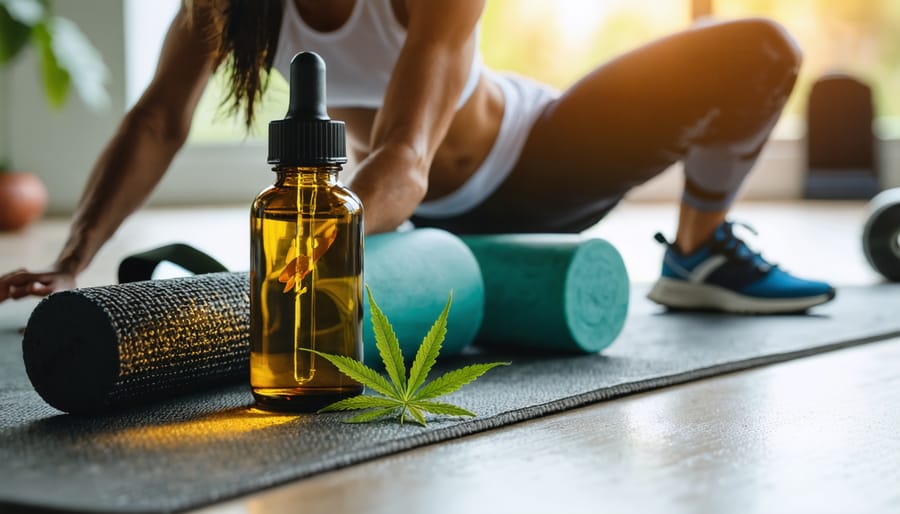
Recovery separates good athletes from great ones, and you’re about to discover how Delta-8 THC is changing the game for runners, soccer players, and weekend warriors everywhere. If you’re staying fit and active but struggling with post-workout inflammation, sleep quality, or nagging muscle soreness, you can shop THCp edibles here as a natural recovery tool gaining serious attention in the athletic community.
Delta-8 THC is a hemp-derived cannabinoid that delivers milder effects than traditional Delta-9 THC while potentially offering powerful recovery benefits—reduced inflammation, better sleep cycles, and natural pain relief without the intense high. Whether you’re training for your first 5K or competing at elite levels, understanding how Delta-8 works could transform your recovery routine. But before you jump in, you need the facts about safety, legality, and the critical drug-testing concerns that could impact your athletic career. Let’s break down everything you need to know to make an informed decision about adding Delta-8 to your training arsenal.
What Is Delta-8 THC?
If you’ve been exploring natural ways to boost your athletic recovery, you’ve probably heard whispers about Delta-8 THC in your running club or soccer league. Let’s break down what this compound actually is—no science degree required!
Delta-8 THC is a naturally occurring cannabinoid found in hemp and cannabis plants, but here’s the key difference: it’s the milder cousin of the Delta-9 THC that produces the strong “high” most people associate with marijuana. Think of it as the gentler alternative that’s catching attention in sports communities worldwide for its potential recovery benefits without the intense psychoactive effects.
So how does Delta-8 stack up against CBD, another popular cannabinoid? While CBD doesn’t produce any intoxicating effects at all, Delta-8 sits somewhere in the middle—it may offer mild relaxation and mental clarity, but it’s notably less potent than Delta-9. Many athletes appreciate this balanced approach for post-workout recovery.
The legal landscape can be confusing, so here’s the straight talk: Delta-8 derived from hemp became federally legal in the United States under the 2018 Farm Bill. However, individual states have their own rules, and some have restricted or banned it entirely. Always check your local regulations before purchasing or using Delta-8 products.
Why are athletes buzzing about Delta-8? The athletic community is drawn to its reported benefits for managing post-exercise inflammation, supporting better sleep quality, and easing muscle soreness—all crucial elements for bouncing back after intense training sessions or weekend tournaments. Unlike traditional pain management options, many users report that Delta-8 helps them recover without feeling foggy or impaired during their next workout.
Remember, whether you’re training for a marathon or playing recreational soccer, understanding what you’re putting in your body empowers you to make the best recovery choices for your athletic journey.

How Your Body Recovers After Training
After you crush that morning run or finish an intense soccer match, your body immediately kicks into recovery mode—and it’s actually pretty amazing what happens next! Your muscles need time to repair those tiny tears created during training, which is how you get stronger. At the same time, your body triggers inflammation, a natural response that helps jumpstart the healing process, though too much can leave you feeling stiff and sore.
Sleep is when the real magic happens. During deep rest, your body releases growth hormones that repair tissue and consolidate memories of new movement patterns you practiced. Quality sleep also helps regulate cortisol, your stress hormone, which can interfere with recovery if levels stay elevated.
Stress management goes hand-in-hand with physical recovery too. Whether it’s mental pressure from competition or everyday life stress, your body doesn’t distinguish—chronic stress can slow healing, disrupt sleep, and leave you feeling drained before your next training session.
Many athletes turn to athletic therapy, massage, ice baths, and nutrition strategies to support these natural processes. Recently, some athletes have started exploring Delta-8 THC as another potential recovery tool, believing it might help with inflammation, sleep quality, and managing post-workout discomfort. Understanding how your body naturally recovers helps you make informed choices about which recovery methods might work best for your training routine.
The Connection Between Delta-8 THC and Recovery
Managing Post-Workout Inflammation
After pushing through an intense training session or competitive match, your body naturally responds with inflammation—that familiar soreness and swelling that reminds you of your hard work. This is where Delta-8 THC’s anti-inflammatory properties come into play, offering potential relief for active individuals across our global sports community.
Research suggests Delta-8 may help reduce post-workout inflammation by interacting with your body’s endocannabinoid system, which plays a key role in managing pain and immune response. Many athletes report experiencing less muscle soreness and reduced swelling when incorporating Delta-8 into their recovery routine, allowing them to bounce back faster and return to the activities they love.
Whether you’re a weekend warrior or a dedicated team player, managing inflammation effectively means you can maintain consistency in your training schedule and stay connected with your sports community. The reduced recovery time could mean the difference between missing practice and showing up energized, ready to support your teammates and continue improving your performance.
Remember, everyone’s body responds differently, so start with low doses and monitor how you feel. Always prioritize rest, proper nutrition, and hydration alongside any recovery supplements you choose to explore.
Sleep Quality and Muscle Repair
Getting quality sleep is one of the most powerful tools in your athletic recovery toolkit, and this is where Delta-8 THC might really shine for active individuals. When you’re pushing your limits on the field, track, or court, your muscles need deep, restorative sleep to repair and rebuild stronger.
Many athletes report that Delta-8 helps them unwind after intense training sessions, making it easier to fall asleep and stay asleep throughout the night. Unlike its more potent cousin Delta-9 THC, Delta-8 tends to produce a milder, less anxious effect that may support relaxation without leaving you feeling foggy the next morning.
During deep sleep, your body releases growth hormones that are essential for muscle repair and tissue regeneration. If you’re struggling with post-workout restlessness or racing thoughts that keep you awake, Delta-8 might help calm your mind and body naturally.
Remember, quality sleep isn’t just about hours—it’s about depth and consistency. While individual experiences vary, many in the athletic community find Delta-8 to be a gentle option for improving their sleep routine. Always start with low doses and give yourself time to understand how your body responds before competition days.

Stress and Mental Recovery
Training hard is just one part of the equation—your mental game matters just as much! When you’re pushing through intense workouts or competition schedules, stress can pile up fast. Delta-8 THC is gaining attention among athletes not just for physical recovery, but for helping manage the mental strain that comes with serious training.
Many active individuals report that Delta-8 helps them find calm without the foggy feeling sometimes associated with traditional cannabis. It may support a clearer headspace, making it easier to process training stress and maintain the focus you need for your next session. Think of it as part of your toolkit alongside natural recovery methods that honor both body and mind.
The mental side of recovery often gets overlooked, but managing anxiety and staying mentally sharp are crucial for consistent performance. Whether you’re preparing for your next game or simply staying active in your community, finding balance matters. If you’re exploring Delta-8 for mental recovery, start slowly and pay attention to how your body and mind respond—everyone’s experience is unique, and what works for your training partner might affect you differently!
Pain Management Without the High
Let’s be real—when you’re recovering from an intense training session or weekend tournament, pain can sideline you fast. That’s where Delta-8 THC catches attention. Unlike its stronger cousin Delta-9 THC (the compound that creates that intense “high”), Delta-8 offers a gentler experience that many athletes find just right for their recovery needs.
Think of Delta-8 as the middle ground. It interacts with your body’s endocannabinoid system to help manage discomfort and inflammation, but without leaving you feeling foggy or unable to function. You can potentially ease those sore muscles and achy joints while still being present for work, family, or your next training session.
This milder psychoactive effect means you’re not compromising your day-to-day responsibilities while addressing recovery. Many active folks in sports communities report feeling relaxed and comfortable without the intensity that might interfere with coaching responsibilities, team meetings, or simply being an engaged parent at your kid’s practice. For athletes who need relief but can’t afford to lose focus, Delta-8 presents an intriguing option worth exploring with your healthcare provider.
Important Considerations for Athletes
Drug Testing and Competition Rules
Here’s the real deal you need to know: Delta-8 THC **will likely show up on standard drug tests**. Most drug screenings can’t tell the difference between Delta-8 and Delta-9 THC, so if you’re competing in organized sports, this is crucial information.
For competitive athletes, the World Anti-Doping Agency (WADA) and most sports organizations prohibit all forms of THC. That means using Delta-8 could result in failed drug tests, suspensions, or disqualification from competitions—even if it’s legal in your area. Community leagues, college athletics, and professional sports all have strict policies you’ll need to respect.
**Bottom line**: If you’re tested regularly or participating in sanctioned competitions, Delta-8 probably isn’t your best recovery option right now. The risk just isn’t worth jeopardizing your athletic eligibility or your team’s standing.
However, if you’re a recreational athlete not subject to drug testing, you have more flexibility. Always check your league’s specific rules and your employer’s policies if workplace testing applies. When in doubt, talk to your coach, athletic director, or sports medicine professional. Your athletic journey matters, and staying informed helps you make choices that keep you in the game and competing at your best!
Starting Smart and Safe
Ready to explore Delta-8 for your recovery routine? Here’s how to get started safely and smartly!
**Start low and go slow.** If you’re new to Delta-8, begin with a minimal dose—typically 5-10mg—and wait at least two hours to assess how your body responds. Everyone’s system is unique, and finding your sweet spot takes patience. Think of it like training for a new distance: you wouldn’t jump from 5K to marathon overnight!
**Timing matters big time.** Many athletes find Delta-8 most effective when taken *after* workouts rather than before. Try taking it in the evening, about 30-60 minutes before you want to wind down. This timing supports better sleep quality without interfering with your training intensity or coordination during activity.
**Talk to your healthcare provider first.** This step isn’t optional—it’s essential! Your doctor can help you understand how Delta-8 might interact with any medications you’re taking or existing health conditions. They’re your teammate in making informed decisions about your body.
**Check your competition rules.** If you participate in organized sports or competitive events, verify Delta-8’s status with your league or governing body. Drug testing policies vary widely, and THC compounds—including Delta-8—may trigger positive results.
**Source quality products.** Purchase only from reputable suppliers who provide third-party lab testing certificates. Your recovery deserves the same quality standards you apply to your training nutrition!
Remember, what works for your training buddy might not work for you. Listen to your body and adjust accordingly.
Delta-8 THC presents an intriguing option for athletes exploring recovery strategies, but it’s essential to approach it with knowledge and caution. While preliminary research suggests potential benefits for inflammation, sleep quality, and pain management, the science is still emerging. Every athlete’s body responds differently, so what works for one person might not work for another.
Before adding Delta-8 to your recovery routine, consult with healthcare professionals who understand both sports performance and cannabis products. They can help you navigate the complex landscape of regulations, especially if you compete in organized sports with anti-doping policies. Stay informed about your local laws and testing requirements—being proactive protects your athletic career.
Remember, Delta-8 is just one piece of the recovery puzzle. The fundamentals matter most: quality sleep, proper nutrition, hydration, and proven recovery methods like mindful yoga, stretching, and rest days. Build your foundation first, then explore supplemental options that align with your goals and values.
At Wixxy Sports, we’re committed to supporting your athletic journey through evidence-based information and community connection. Explore our global sports directory to find local events, connect with fellow athletes, and discover resources that enhance your performance and recovery. Whether you’re hitting the track, the field, or the court, prioritize practices that keep you healthy, energized, and ready to compete. Your recovery matters—make informed choices that support your long-term athletic success.