
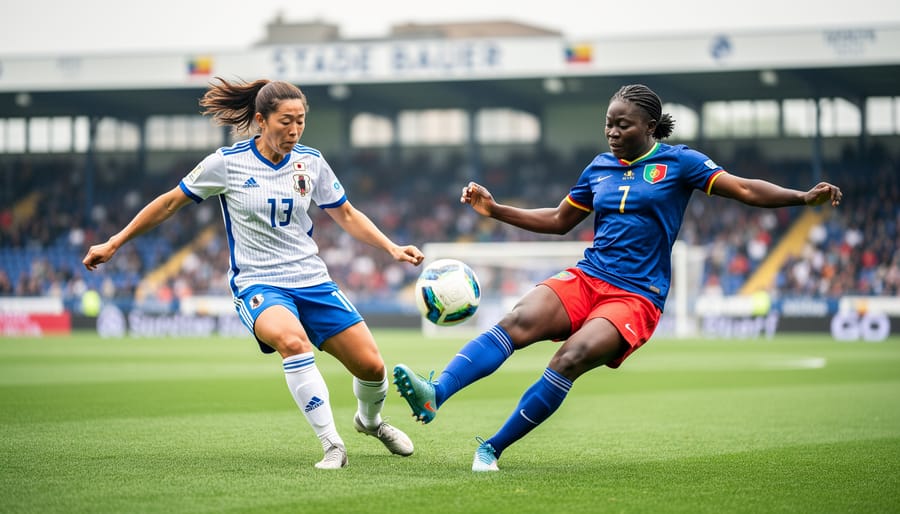
Japan delivered a commanding 5-1 victory over Haiti in their women’s international friendly on October 9, 2026, at Stade Bauer in Saint-Ouen-sur-Seine, France. The scoreline tells the story of two teams at very different stages of development, with Japan’s clinical finishing and tactical discipline on full display from the opening whistle through the 90th minute.
For anyone following women’s soccer in 2026, this match offered a clear snapshot of where both programs stand. Japan raced to a 3-1 halftime lead and never looked back, adding two more goals after the break. Haiti showed flashes of promise but couldn’t contain a Japanese side that controlled possession, created chances at will, and converted them with precision.
This wasn’t just another exhibition game. International friendlies like this one matter because they give developing teams like Haiti invaluable experience against top-tier opponents, while established programs like Japan can test tactics and squad depth ahead of major tournaments. You can read more about why friendlies matter in the current women’s game.
The 18:00 GMT kickoff in France provided both teams with a neutral ground to measure their progress. For Haiti, the match exposed areas that need work. For Japan, it confirmed their status as a force in women’s soccer and gave younger players meaningful minutes against international competition.
Match Snapshot: Haiti vs Japan at a Glance
Here’s exactly what happened when Haiti and Japan’s women’s teams met on October 9, 2026. Japan dominated the friendly international, winning 5-1 at Stade Bauer in Saint-Ouen-sur-Seine, France. The match kicked off at 18:00 GMT and quickly showed the gap between the two programs.
By halftime, Japan had already built a commanding 3-1 lead. That early control set the tone for the rest of the evening. The second 45 minutes saw Japan add two more goals while Haiti couldn’t find an answer, cementing the comprehensive 5-1 final scoreline.
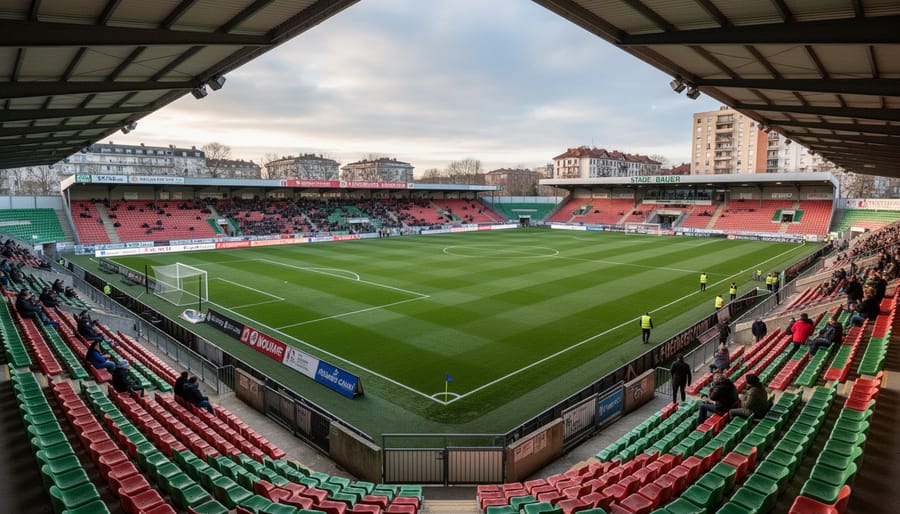
This friendly served its purpose for both sides. Japan got valuable minutes against international opposition, while Haiti gained experience competing against one of the world’s established women’s soccer powers. The venue choice of Stade Bauer, a modest ground in the Paris suburbs, made this a relatively low-pressure environment for both teams to test their squads and systems.
Understanding Both Teams in This Matchup
Haiti Women’s National Team: Building Momentum
Haiti’s women’s national team entered this October 2026 friendly as a program on the rise, seeking opportunities to measure their progress against top-tier opposition. The Caribbean nation has invested steadily in developing their women’s game over recent years, building a squad that competes regularly in CONCACAF competitions and pursues qualification for major tournaments.
For Haiti, scheduling a match against a team of Japan’s caliber represented a valuable development milestone. These friendlies against established powerhouses give Haiti’s coaching staff a chance to evaluate their players under pressure, test tactical adjustments against elite opponents, and expose their squad to the intensity required at the highest levels of women’s soccer.
The October 9 match in France also offered Haiti crucial international experience in a European setting, preparing their players for the global stage they aspire to reach more consistently. While the team knew they faced a significant challenge, the opportunity to compete against one of Asia’s strongest programs provided lessons that domestic or regional matches simply can’t replicate.
Haiti’s participation in matches like this reflects their broader commitment to raising the standard of their women’s program and building toward sustained CONCACAF competitiveness and future World Cup qualification campaigns.
Japan Women’s National Team: Established Excellence
Japan has long stood among the elite of women’s soccer, a reputation built on tactical discipline, technical precision, and consistent results at the highest levels. The Nadeshiko Japan squad has reached multiple World Cup finals, won the tournament in 2011, and secured Olympic medals, cementing their place as a measuring stick for emerging programs worldwide.
Their playing style emphasizes quick passing combinations, intelligent movement off the ball, and defensive organization that frustrates opponents across all 90 minutes. Japanese players typically execute their tactical assignments with remarkable consistency, which showed clearly in the way they controlled phases of the October 9 match at Stade Bauer.
For Japan, friendlies against developing teams like Haiti serve multiple purposes beyond simply winning. These matches give coaching staff opportunities to evaluate younger players and test tactical variations in a competitive setting without the pressure of tournament qualification. The five goals Japan scored demonstrated their attacking efficiency, while the structure they maintained throughout both halves reinforced the standards expected at this level.
Scheduling opponents from different confederations also helps Japan prepare for the varied styles they’ll face in major tournaments. Every friendly adds data points about squad depth and form as they build toward higher-stakes competitions that define their program’s continued success.
Breaking Down the Match: How It Unfolded
First Half: Japan’s Early Dominance
Japan seized control from the opening whistle at Stade Bauer, pressing high and forcing Haiti into defensive errors. The Nadeshiko’s technical superiority showed immediately as they moved the ball with precision, creating dangerous chances through swift combinations in the attacking third. Haiti struggled to settle into any rhythm, spending most of the half chasing shadows and scrambling to contain Japan’s fluid movement.
By halftime, Japan had converted their dominance into a 3-1 lead that accurately reflected the run of play. Their three goals came from varied build-up patterns, demonstrating tactical versatility and clinical finishing when opportunities arose. Haiti managed to pull one back against the flow, briefly offering hope they could stay competitive, but the overall pattern was clear. Japan controlled possession, dictated tempo, and created the better chances.
What stood out wasn’t just the scoreline but how it happened. Japan’s players found space consistently, their passing accuracy under pressure far exceeded Haiti’s, and their defensive shape snuffed out most Haitian attacks before they developed. Haiti showed flashes of spirit and fought hard, but the technical gap was evident. They couldn’t sustain possession long enough to build threatening attacks, and their defensive positioning left channels Japan exploited repeatedly. The 3-1 halftime score told the story: one team executing their game plan smoothly, the other learning tough lessons about the step up required at this level.
Second Half: Japan Extends the Lead
Japan carried their first-half momentum into the second 45 minutes, adding two more goals to complete the 5-1 scoreline. The additional strikes in the second half demonstrated Japan’s superior fitness and depth, as they maintained pressure while Haiti visibly struggled to match the pace.
Haiti’s defensive structure, already tested in the opening period, showed further cracks as the match wore on. The team’s attempts to regroup at halftime didn’t translate into tighter marking or more effective transitions. Japan exploited spaces with crisp passing combinations and intelligent movement off the ball, creating opportunities that Haiti couldn’t adequately defend against.
What stood out most in this second half wasn’t just Japan’s clinical finishing, but Haiti’s inability to mount a sustained response. While Haiti had managed one goal in the first half, they couldn’t replicate that threat after the break. The physical demands of keeping up with Japan’s tempo appeared to take a toll, limiting Haiti’s attacking ventures and leaving them pinned back for extended stretches.
The widening gap in the second half underscored the difference in international experience and tactical cohesion between the sides. Japan’s ability to manage the game, rotate possession, and strike when opportunities arose contrasted sharply with Haiti’s reactive approach and limited options to change the momentum.
Tactical Takeaways from the 5-1 Result
The 5-1 scoreline reveals a significant gap in execution and depth between these programs. Japan’s ability to score three goals before halftime and maintain pressure throughout both 45-minute periods demonstrated superior fitness conditioning and tactical discipline. Their structured build-up play and clinical finishing reflected years of elite-level international experience, while Haiti’s defensive organization struggled to adapt once Japan established rhythm. The fact that Japan doubled their lead after the break suggests Haiti’s squad depth and conditioning couldn’t match the sustained intensity Japan brought to this match recap. Haiti’s single goal showed they could create moments of opportunity, but the final score underscored the tactical consistency and physical preparedness that separate top-tier women’s programs from developing ones in international friendlies.
What This Result Means for Each Team
For Haiti, this friendly represented invaluable exposure at a level most of their players rarely experience in club competition. The 5-1 scoreline reflects the gap in resources and development infrastructure, but the experience itself matters more than the result. Haiti’s squad gained 90 minutes against technically superior opponents, forcing them to defend under sustained pressure and make split-second decisions at international pace. That kind of environment accelerates player development far more effectively than regional matches where Haiti typically dominates possession. The coaching staff collected crucial data on which players can handle elite competition and where tactical adjustments are needed before future qualification campaigns.
Japan used this match as calibration ahead of higher-stakes fixtures against top-tier opponents. The five goals demonstrated their attacking efficiency, but the clean-sheet failure (conceding once) provides a specific area to address in training. For a team targeting podium finishes at major tournaments, friendlies like this serve as controlled experiments to test tactical variations, build chemistry between newer and veteran players, and maintain match sharpness during international windows. The lopsided scoreline was expected, making it a low-pressure opportunity to give younger squad members meaningful minutes.
- Haiti gained match experience against elite opposition that exposes development gaps
- Japan tested tactical systems and squad depth in a low-stakes competitive environment
- Both programs identified specific areas requiring attention before upcoming qualifiers
- The experience gap was educational for Haiti rather than discouraging
Ultimately, Haiti benefited more from this encounter in developmental terms. Playing Japan forced them to operate outside their comfort zone, which is where growth happens. Japan got useful preparation minutes but faced little genuine competitive challenge. These international friendlies matter because they connect emerging programs like Haiti with established powers, creating pathways for broader participation in women’s soccer. If you want to support this global development, join the movement by following both established and developing national teams as they build toward future competitions.
At-a-Glance Comparison
The October 9, 2026 friendly between Haiti and Japan at Stade Bauer in Saint-Ouen-sur-Seine delivered a clear contrast in where these two women’s programs stand. Japan dominated with a 5-1 victory that was effectively decided by halftime, when they already led 3-1. The scoreline reflects Japan’s clinical finishing and tactical control against Haiti’s developing squad.
This wasn’t a competitive fixture in the traditional sense. Japan used it to maintain sharpness between major tournaments, working on combinations and giving squad players match minutes. Haiti, still building their international pedigree, gained valuable exposure to top-level opposition and the intensity required at that standard.
The match revealed three key dimensions: the attacking quality gap (Japan’s five goals versus Haiti’s single strike), the defensive organization difference (Haiti conceded three in the first half alone), and the depth of international experience separating an established power from an emerging program. For readers tracking women’s soccer development across different continents, this result provides a snapshot of both teams’ current capabilities heading into their respective upcoming competitions.
What Each Option Is

In the context of this October 9, 2026 friendly match, we’re looking at two distinct national team programs at different stages of their women’s soccer journeys.
Haiti’s women’s national team represents a developing program building its presence on the international stage. As an emerging side in women’s soccer, Haiti uses friendlies like this one to gain valuable experience against established opponents, test their tactical systems under pressure, and measure progress against world-class competition. This match offered Haiti’s players exposure to the speed and technical demands of top-tier international soccer.
Japan’s women’s national team stands as one of the established powerhouses in women’s soccer globally. With a history of success at World Cups and Olympic tournaments, Japan brings technical excellence, tactical discipline, and deep squad experience to every match. For Japan, this friendly served as preparation for higher-stakes competitions, a chance to integrate newer players into their system, and an opportunity to maintain match sharpness between major tournament cycles.
The October 9 encounter at Stade Bauer brought these two programs together in Saint-Ouen-sur-Seine, France, creating a learning opportunity for Haiti and a quality preparation session for Japan.
Who Should Choose Which
This October 2026 friendly offered different takeaways depending on what you’re tracking in women’s international soccer.
Follow Haiti if you’re invested in emerging programs and underdog stories. This match showed where Haiti’s women’s team stands against top-tier opposition and highlighted the areas they need to develop. Fans of growth narratives and teams punching above their weight will find Haiti’s journey compelling as they build toward future qualifications.
Follow Japan if you want to watch established excellence and tactical sophistication. Japan’s performance in Saint-Ouen-sur-Seine demonstrated why they remain a force in women’s soccer, combining technical skill with clinical finishing. If you appreciate teams that consistently execute at a high level and compete for major tournament honors, Japan delivers that standard.
Engage with both if you’re a broader women’s soccer enthusiast who values the full spectrum of international play. Friendlies like this one reveal how the global game develops across different tiers, showing both where elite teams refine their systems and where emerging programs measure their progress. The Wixxy Sports community can track both teams’ paths through upcoming fixtures and tournament qualifiers.
Haiti vs Japan Women S Soccer Terms to Know
Here’s a quick glossary to help you understand the key terms around this Haiti vs Japan women’s international friendly:
- Friendly International Women
- A non-competitive match between two national women’s teams scheduled outside official tournaments, designed to test tactics, build match fitness, and prepare for future qualifying campaigns or major competitions. These fixtures don’t affect FIFA rankings as heavily as competitive matches.
- Halftime Score
- The goal tally at the 45-minute mark when the referee blows the whistle for the break, providing insight into which team controlled the opening period and set the tempo for the second half. In this October 9 match, Haiti trailed 1-3 at the interval.
- Kick-Off Time (GMT)
- The scheduled start in Greenwich Mean Time, which serves as the universal reference for international matches played across different time zones. This match began at 18:00 GMT at Stade Bauer in Saint-Ouen-sur-Seine.
- Development Match
- A game where emerging programs like Haiti’s women’s team face established sides to gain experience, expose weaknesses, and accelerate player growth through high-level competition. These learning opportunities often produce lopsided scores but deliver invaluable tactical lessons.
- Match Simulation
- The realistic game conditions teams create in friendlies to rehearse strategies, test new players, and identify areas needing work before competitive fixtures. Smart viewers watch for effort level and tactical choices rather than trying to spot fake injuries or read too much into the final margin.
Understanding these terms helps you appreciate what both Haiti and Japan aimed to achieve in this October 2026 friendly, beyond the numbers on the scoreboard. The match served distinct purposes for each program, making context as important as the final whistle.
Common Questions About Haiti vs Japan Women’s Soccer
When and where was the Haiti vs Japan women’s soccer match played?
The match took place on October 9, 2026, at Stade Bauer in Saint-Ouen-sur-Seine, France, with an 18:00 GMT kick-off time. It was organized as a Friendly International Women competition fixture.
What was the final score of Haiti vs Japan?
Japan won 5-1, having built a 3-1 lead by halftime before adding two more goals in the second half. The result demonstrated the gap in experience and execution between the two programs.
Why was this match held in France instead of Haiti or Japan?
International friendly matches are often scheduled at neutral venues for logistical convenience, particularly when teams are touring or training in a specific region. France’s central European location and established soccer infrastructure make it a practical choice for international fixtures.
What’s the purpose of friendly matches like this one?
Friendlies let teams test tactics, give players international experience, and prepare for competitive tournaments without rankings or qualification points at stake. For Haiti, matches against top-tier opponents like Japan accelerate player development, while Japan benefits from quality preparation before major competitions.
Beyond these specifics, readers often wonder about the broader context surrounding women’s international soccer friendlies. These matches serve multiple purposes depending on where each team sits in their development cycle. Emerging programs use them to expose players to different styles and higher tempos, while established teams treat friendlies as controlled testing grounds for squad rotation and tactical adjustments.
The choice of opponent matters, too. Haiti scheduling Japan wasn’t random, facing a technically superior side exposes weaknesses that need addressing and sets a benchmark for what elite execution looks like. Japan, meanwhile, gains value from maintaining match sharpness and fine-tuning systems against varied opposition styles. Neither team risks competitive standing in a friendly, which creates space for experimentation that tournament matches don’t allow.
The October 9 friendly between Haiti and Japan delivered exactly what both programs needed at this stage of their development. Japan’s 5-1 victory showcased the technical excellence and tactical discipline that keep them among women’s soccer’s elite, while Haiti gained invaluable experience competing against top-tier opposition. For Haiti, every minute against a team of Japan’s caliber accelerates their growth and prepares them for future tournaments. For Japan, the match provided competitive preparation while maintaining match sharpness between major competitions.
Both teams continue building toward their next chapters in women’s international soccer. Whether you’re tracking Haiti’s rise through the CONCACAF ranks or following Japan’s pursuit of another World Cup campaign, staying connected to these stories matters. At Wixxy Sports, we’re committed to bringing you meaningful coverage of women’s soccer at every level, from friendlies like this one to major tournament action. Explore our global sports directory, discover local soccer events in your area, and join the conversation with fellow fans who share your passion for the beautiful game.