

An institute of athletic medicine is a specialized healthcare facility designed to prevent, diagnose, treat, and rehabilitate sports-related injuries and conditions for athletes at every level. Unlike your regular doctor’s office or walk-in clinic, these centers bring together multidisciplinary teams of orthopedic surgeons, sports medicine physicians, physical therapists, athletic trainers, and nutritionists under one roof, all focused on getting you back to the activities you love as quickly and safely as possible.
Whether you’re training for your first 5K, playing weekend soccer with friends, or competing at an elite …
Blog
WAFCON 2026 Is Happening Right Now in Morocco—Here’s Everything You Need to Know
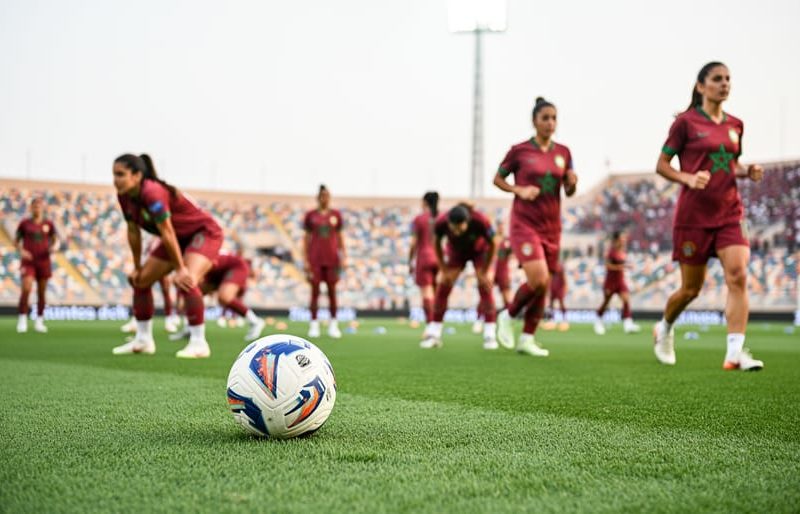
WAFCON, the Women’s Africa Cup of Nations, is happening right now in Morocco, running from July 26 through August 16, 2026. Organized by the Confederation of African Football, this premier women’s football tournament brings together the continent’s top national teams in a celebration of skill, determination, and the explosive growth of women’s football across Africa.
If you’re just discovering WAFCON during the tournament, you’re witnessing one of Africa’s most important sporting events. This isn’t just another football competition. It’s where champions are made, where rising …
How to Map Out Training for Your First Marathon in 7 Steps

Mapping out training for your first marathon takes 16 to 20 weeks following a structured plan that builds your base, increases weekly mileage gradually, and balances long runs with recovery. You’ll typically run four days per week, starting with manageable distances like 6 miles for your first long run and progressively building endurance until you’re ready to cover 26.2 miles on race day.
The good news? You don’t need to reinvent the wheel. Proven programs from Hal Higdon, Runner’s World, and Nike provide ready-made frameworks that remove the guesswork and keep you injury-free while building the stamina you …
How to Train for a Half Marathon in 8 Weeks (Step-by-Step Plan)
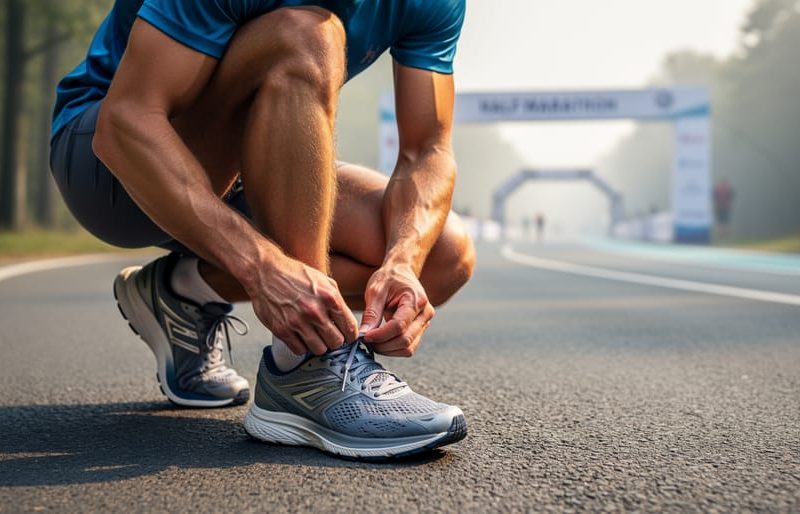
You can prepare for a half marathon in just 8 weeks if you’re already running 3 to 5 miles comfortably and logging at least 9 miles per week. This compressed timeline trades the traditional 12-week buildup for a focused, high-efficiency approach built around two 3-week training cycles, two weeks of light taper training, and four running days per week. The plan works because it assumes you’ve already built a base fitness level, meaning you’re not starting from scratch but accelerating your race readiness through strategic mileage increases, targeted speed work, and structured recovery.
Eight weeks is tight, but …
Why Alex Morgan Still Defines What It Means to Be a Soccer Icon

Alex Morgan stands as one of women’s soccer’s most dynamic forwards, a player whose explosive speed and clinical finishing have shaped the U.S. Women’s National Team for over a decade. Born in Diamond Bar, California, Morgan earned her first cap on March 31, 2010, against Mexico and quickly proved she belonged on the world stage. By the 2011 World Cup, she was scoring crucial goals in both the semi-final against France and the final against Japan, announcing herself as a goal-scorer when it mattered most.
What makes Morgan special goes beyond the goals. She combines raw athleticism with smart positioning, making …
5 Peaks Trail Running Series: What It Is and Where to Run in 2026

The 5 Peaks Trail Running Series is Canada’s premier off-road running event, bringing trail runners of all abilities to some of the country’s most stunning natural settings for races throughout the spring and summer. For 2026, confirmed events include the Alice Lake race in Squamish, BC on April 4th, the Kelso race on May 2nd, and the Area 8 Conservation race in Milton, Ontario on July 18th. Organized regionally by 5 Peaks BC and 5 Peaks Ontario, these races offer accessible trail running experiences on courses typically ranging from 5K to 10K distances, with the Area 8 event featuring an 8.1 km course.
What makes this …
Calgary Women’s Soccer Is Having a Moment — Here’s How to Get Involved

Calgary women’s soccer offers something for everyone in 2026, from cheering on the University of Calgary Dinos through their latest season to lacing up your own boots in recreational, competitive, or drop-in leagues across the city. The Dinos kick off their 2026 schedule on August 14 at 1:00 PM MT against UBCO at Calgary Webber Academy Athletic Park, with home matches continuing through the fall at venues including McMahon Stadium. Beyond the varsity pitch, Calgary’s women’s soccer community spans youth academies, adult recreational leagues, and grassroots clubs that welcome players at every skill level, making it one of …
Why Do Soccer Players Fake Injuries? The Problem and How to Spot It

Soccer players fake injuries primarily to gain tactical advantages: drawing free kicks or penalties, forcing referees to issue cards against opponents, and breaking up the rhythm of play. It’s that simple. The behavior, officially termed “simulation,” exists because it can change the outcome of a match with a single convincing fall.
Key Takeaway: Players simulate fouls to win scoring opportunities, force opponent penalties, and disrupt game flow. The IFAB has approved new enforcement measures for the FIFA World Cup 2026 and beyond to reduce time-wasting and improve match …
Why Olivia Smith Won’t Be at the SheBelieves Cup (And What It Means for Canada)

Canadian soccer star Olivia Smith has withdrawn from the SheBelieves Cup after sustaining a concussion during Arsenal’s 3-0 victory over Bristol City. The 21-year-old forward will remain under the care of Arsenal’s medical team throughout the international break, missing a crucial week-long tournament in the United States where Canada faces Colombia, the USA, and Argentina.
Smith’s absence is a significant blow for the Canadian national team, but it highlights the growing emphasis on player safety in women’s soccer. The decision to prioritize her recovery over international competition reflects best practices…
What Are Youth Soccer Field Dimensions (and How Do They Change by Age)?

Youth soccer field dimensions are scaled-down playing areas specifically designed for children, with sizes that decrease in proportion to the age and skill level of the players. Unlike standard adult pitches, these fields accommodate formats ranging from small-sided games for beginners to full 11v11 matches for older youth players, ensuring the game remains age-appropriate and developmentally beneficial.
Key Takeaway: Youth soccer fields are intentionally smaller than adult pitches and adjust by age group to match physical abilities and tactical development. A 6-year-old plays on a field as …