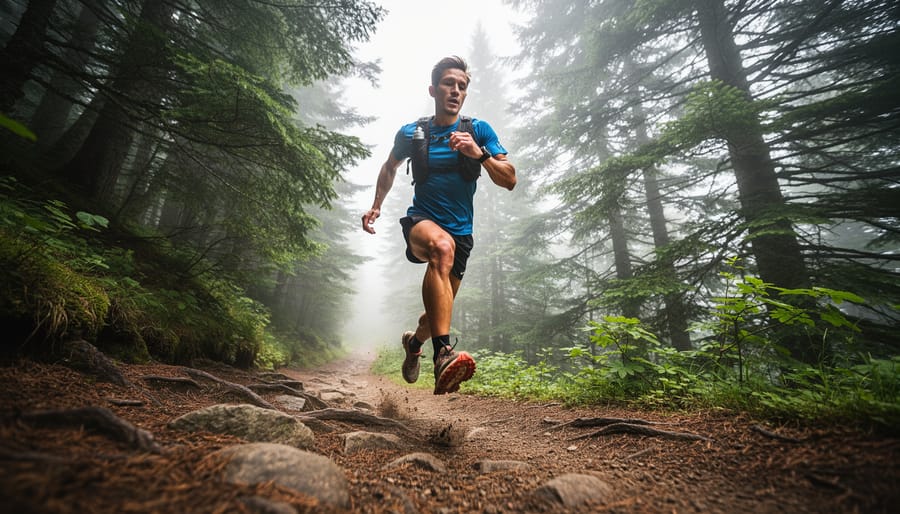
The 5 Peaks Trail Running Series is Canada’s premier off-road running event, bringing trail runners of all abilities to some of the country’s most stunning natural settings for races throughout the spring and summer. For 2026, confirmed events include the Alice Lake race in Squamish, BC on April 4th, the Kelso race on May 2nd, and the Area 8 Conservation race in Milton, Ontario on July 18th. Organized regionally by 5 Peaks BC and 5 Peaks Ontario, these races offer accessible trail running experiences on courses typically ranging from 5K to 10K distances, with the Area 8 event featuring an 8.1 km course.
What makes this series special is its focus on community and inclusivity. You don’t need to be an elite athlete to participate. The courses wind through provincial parks, conservation areas, and protected wilderness, giving runners a chance to experience trail running in a supportive, non-intimidating environment. Whether you’re looking to escape the pavement for the first time or you’re a seasoned trail runner chasing personal bests, the 5 Peaks format welcomes everyone. Registration details and the complete 2026 schedule are typically released by regional organizers in early spring, so check the official 5 Peaks channels for updates on additional race locations and sign-up information.
What Makes the 5 Peaks Trail Running Series Unique
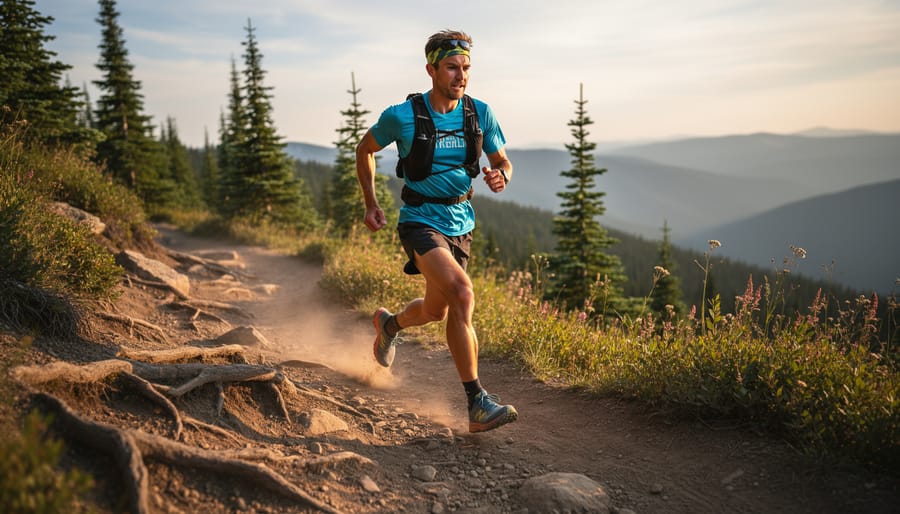
The 5 Peaks Trail Running Series stands apart from typical road races by taking runners off the pavement and into some of Canada’s most beautiful natural settings. Every event unfolds on genuine trail terrain, think winding single-track through forest canopy, technical climbs over roots and rocks, and open stretches with views of lakes or valleys. You’ll race through conservation areas and provincial parks rather than looping city blocks, which means the course itself becomes part of the experience.
What makes the series genuinely accessible is its tiered distance structure. Most events offer three course options: a short route for newcomers or those testing their trail legs, a medium distance for intermediate runners, and a long course that challenges experienced athletes. This setup means a first-timer can tackle a manageable loop while a seasoned trail runner pushes themselves on the same day, at the same venue. The atmosphere reflects this range, you’ll find runners chatting at the start line about their first trail race alongside regulars swapping stories about previous 5 Peaks events.
The series has steadily expanded across Canada, with 5 Peaks Ontario Races and 5 Peaks BC Races organizing events from Squamish’s Alice Lake Provincial Park to Milton’s conservation trails. Organizers have built a reputation for clear course marking, supportive volunteers at key junctions, and post-race gatherings that feel more like community meetups than competitions. Runners consistently praise the balance of challenge and encouragement.
Beyond the race itself, 5 Peaks emphasizes connection, to the trails you’re running, to the natural spaces hosting the event, and to fellow participants who share your interest in off-road adventure. It’s competitive enough to push you, but welcoming enough that showing up alone feels comfortable. That combination has made the series a staple for Canadian trail runners seeking organized events that honor both performance and place.
Confirmed 2026 Race Dates and Locations
The 2026 5 Peaks Trail Running Series season features three confirmed races across British Columbia and Ontario, kicking off in early spring and extending into mid-summer. Here’s what’s been announced so far.
| Race Name | Date | Location | Organizer | Distance(s) | Start Time |
|---|---|---|---|---|---|
| Alice Lake | April 4, 2026 | Alice Lake Provincial Park, Squamish, BC | 5 Peaks BC Races | TBA | 7:00 AM PDT |
| Kelso | May 2, 2026 | Kelso Conservation Area, Milton, ON | 5 Peaks Ontario Races | TBA | 8:30 AM EDT |
| Area 8 | July 18, 2026 | Area 8 Conservation Area, Steeles Avenue West, Milton, ON | 5 Peaks Ontario Races | 8.1 km | 8:30 AM EDT |
The season opener at Alice Lake Provincial Park offers runners stunning views and challenging terrain in the Coast Mountains, with an early 7:00 AM start that takes advantage of cooler morning temperatures. Squamish’s reputation as an outdoor adventure hub makes this race a favorite among BC trail runners who appreciate technical single-track and forested climbs.
Both Ontario events take place in the Milton area, showcasing the Conservation Halton trail system. The Kelso race in early May typically features spring conditions with muddy sections and emerging greenery, while the Area 8 event in mid-July runs through mature summer trails. The Area 8 course is confirmed at 8.1 km, though most 5 Peaks events traditionally offer multiple distance options to accommodate different abilities.
Registration details and entry fees for the 2026 season have not yet been released at the time of publication. The series typically announces its full race calendar and opens registration several months in advance, so additional events may be added throughout the year. Runners interested in participating should monitor the official 5 Peaks website and the respective regional organizers (5 Peaks BC Races and 5 Peaks Ontario Races) for updates on registration openings, course maps, and any newly announced race dates. Past seasons have included races at locations like Glen Eden, Buntzen Lake, and other scenic venues across Canada, so the 2026 schedule may expand beyond these three confirmed events.
Who Should Run 5 Peaks Events

The 5 Peaks series is designed for anyone who wants to experience trail running, regardless of your current fitness level or racing background. If you’re a road runner who’s grown curious about what it feels like to leave the pavement behind, these events offer a perfect entry point, challenging enough to feel different, but organized and marked well enough that you won’t feel lost or overwhelmed.
First-timers make up a significant portion of every 5 Peaks field. The atmosphere is friendly and low-pressure, with fellow participants more likely to offer encouragement than to blow past you silently. If you’ve been hiking regularly and wonder what it would be like to move faster on those trails, signing up for a short or medium course gives you a taste of competition without requiring months of specialized training.
Experienced trail runners also find value in the series. The courses showcase some of Ontario and BC’s best conservation areas and provincial parks, and the community vibe attracts runners who want camaraderie alongside competition. You’ll meet people who return year after year, treating each race as both a workout and a social gathering.
The variety of course distances, ranging from shorter routes to longer challenges like the 8.1 km option at Area 8 in Milton, means you can choose your adventure based on what you’re ready for that day. Walkers are welcome, too, making these events accessible even if you’re recovering from injury or simply prefer a slower pace.
What truly sets 5 Peaks apart is the lack of intimidation. There’s no pressure to run fast or look the part. Show up ready to enjoy the trail, and you’ll fit right in.
How to Prepare for a 5 Peaks Trail Race
Getting ready for a 5 Peaks event means training your body for the specific demands of trail terrain. Unlike road running, you’ll face roots, rocks, sudden climbs, and uneven footing that challenge your balance and leg strength differently. Start by incorporating hill repeats into your trail running training at least once a week, short, steep climbs build the power you’ll need when the course turns upward. Practice running on actual trails whenever possible, focusing on quick foot placement and keeping your eyes a few meters ahead to anticipate obstacles.
Your gear can make or break your race day. Trail shoes with deep lugs are non-negotiable, they provide the traction needed on muddy, rocky, or root-covered paths. Skip cotton and wear moisture-wicking layers that you can adjust as you heat up, since weather in conservation areas can shift quickly. Most 5 Peaks courses offer aid stations, but carrying a handheld water bottle or small hydration pack gives you control over your fueling, especially on longer distances like the 8.1 km courses at events such as Area 8 in Milton.
Pacing on trails requires patience and a different mindset than road racing. Start slower than you think you should, the terrain will slow you naturally on technical sections and climbs, and you’ll make up time on smoother stretches. Watch for course markings (bright ribbons and directional signs), and don’t hesitate to power-hike steep uphills alongside experienced trail runners who do the same. If you can scout the course location beforehand, you’ll gain confidence knowing what’s coming and where the tough sections lie.
Post-race recovery matters just as much as your training. Consider options like a recovery cold plunge to reduce inflammation, or schedule athletic therapy if you’re dealing with persistent soreness or niggles. Gentle activities like mindful yoga help maintain flexibility and mental calm between training runs. Trail running rewards those who approach it as an adventure rather than just a timed effort, so embrace the mud, the views, and the unpredictability that make these races memorable.
Common Questions About the 5 Peaks Trail Running Series
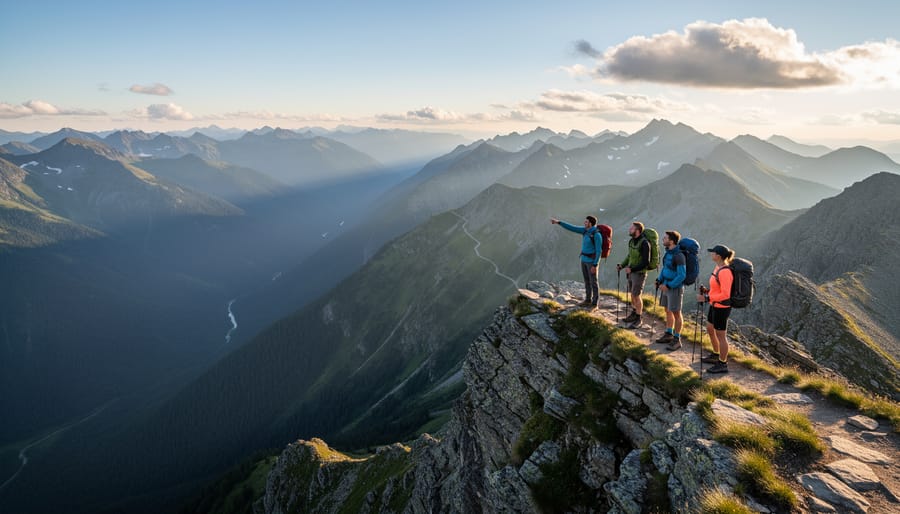
Prospective participants often have practical questions before committing to their first 5 Peaks race. Here’s what you need to know to plan ahead and feel confident at the start line.
How do I register for a 5 Peaks race?
Registration opens on the official 5 Peaks website, where you can sign up for specific events. For the 2026 series, registration details and links will be posted closer to each race date, so check back regularly or follow 5 Peaks social media for announcements.
What’s the typical entry fee?
5 Peaks events are known for affordable pricing compared to road races, though exact 2026 fees haven’t been confirmed yet. Early registration usually offers the best rates, with prices increasing as race day approaches.
Are the trails clearly marked during the race?
Yes, courses are marked with brightly colored ribbons and flagging tape at all key junctions, plus race marshals are stationed at critical turns to guide you. You won’t need GPS or previous course knowledge.
Can I walk instead of run?
Absolutely. The series welcomes walkers and hikers who want to enjoy the trails at their own pace, making it accessible for all fitness levels.
Weather concerns come up often, especially given Canada’s unpredictable spring and summer conditions. 5 Peaks races run rain or shine, with cancellations reserved only for extreme situations like lightning storms or unsafe trail conditions. Pack layers and waterproof gear if the forecast looks questionable, muddy trails just add to the adventure for most participants.
If you’re nervous about keeping up or getting lost, arrive early to chat with other runners. The community atmosphere means experienced trail runners are usually happy to share beta about pacing, terrain challenges, and what to expect. Many first-timers end up running with a friendly group rather than tackling the course solo, which makes the experience more enjoyable and less intimidating.