

You can train for your first half marathon in 14 weeks with a flexible, beginner-friendly plan that builds your endurance safely through three to five guided runs each week. Whether you’re stepping up from 5Ks or lacing up for the first time with a solid base of regular activity, this structured approach takes you from wherever you are now to 13.1 miles of pure accomplishment.
The beauty of a beginner half marathon plan lies in its simplicity: you’ll cycle through recovery runs, easy-paced outings, and controlled speed sessions that gradually increase your stamina without overwhelming your body. Week 14, for example, starts with a gentle 15-minute recovery run and introduces your first speed workout with eight one-minute intervals at 5K pace, building confidence through manageable chunks. By week’s end, you’ll tackle a 21-minute fartlek session that teaches your legs to toggle between hard effort and easy recovery, the rhythm that carries you through race day.
Training for a half marathon isn’t just about logging miles. It’s about joining a global community of runners who’ve all stood at the same starting line, wondered if they could do it, and crossed the finish with medal in hand and pride in their chest. The plan includes recovery strategies, nutrition guidance, and mindset coaching because your first 13.1 is as much mental as physical.
This guide walks you through everything: the gear you need, how to structure each week, what those run types actually mean, and how to verify you’re ready to toe the line. You’ll find a clear week-by-week roadmap, answers to the questions keeping you up at night, and the confidence to turn “I wonder if I could” into “I absolutely did.”
What You’ll Need to Get Started

You don’t need a gym membership or expensive equipment to train for your first half marathon. A few essentials will set you up for success, and you likely own some already.
The Must-Haves
Start with proper running shoes fitted to your foot type and gait. Visit a specialty running store where staff can analyze your stride and recommend options, this is the one item worth investing in upfront, as the right shoes prevent injury and keep you comfortable through 14 weeks of training. Replace them after 300-400 miles or when the cushioning feels flat.
You’ll also need moisture-wicking clothing that pulls sweat away from your skin. Cotton holds moisture and causes chafing on longer runs, so grab a few technical shirts and shorts or tights. Don’t overthink it, basic options from any sporting goods store work fine.
Hydration matters, especially as your long runs extend beyond 60 minutes. A handheld water bottle, hydration belt, or vest lets you carry fluids without cutting runs short. Some beginners prefer planning routes with water fountains, which works too.
Pick a tracking method to log your workouts and monitor progress. A running app on your phone (many are free) tracks distance, pace, and time automatically. If you prefer analog, a simple journal works, just record what you ran and how it felt. Consistency in tracking helps you see improvement and stay accountable.
- Running shoes fitted to your foot type and gait
- Moisture-wicking shirts, shorts, or tights (not cotton)
- Hydration system: handheld bottle, belt, or vest
- Tracking tool: running app or training journal
Nice-to-Have Extras
A heart rate monitor helps gauge effort levels, but perceived exertion (can you hold a conversation?) works just as well for beginners. Consider adding one if you want precise data.
Finding Your Goal Race
Training without a target race is like studying without a test date, it works better when you have something specific to prepare for. Use Wixxy Sports’ global event directory to browse beginner-friendly half marathons in your area. Filter by date and location, read reviews from other runners, and register once you’ve found a race 14 weeks out. Having that finish line marked on your calendar turns abstract training into a real goal, and connecting with event communities through the platform adds motivation when the miles get tough.
Before You Start: Safety and Readiness Check

Before you lace up and tackle that first week, take a moment to make sure you’re ready to train safely. You don’t need to be a seasoned runner, but you should be able to run or walk continuously for 15 to 20 minutes without severe discomfort. If you can do that, you have the baseline fitness to start this 14-week plan.
However, if you’re new to exercise, over 40 and haven’t been active recently, have a history of heart disease, joint problems, or any chronic health condition, schedule a check-up with your doctor before starting. It’s a simple step that can catch potential issues early and give you peace of mind. Similarly, if you experience chest pain, dizziness, or extreme shortness of breath during a run, stop immediately and seek medical advice. For persistent aches or mobility concerns, see an athletic therapist who can assess your movement and help you address problems before they sideline you.
Injury prevention starts with respecting your body’s limits. The injury prevention evidence is clear: gradual progression, adequate recovery, and listening to your body matter more than pushing through pain. Rest days aren’t optional add-ons, they’re when your muscles repair and grow stronger. Sharp pain, swelling, or discomfort that worsens during a run means stop and rest. Soreness is normal, but pain that alters your gait or lingers for days is your body asking for a break. This plan includes recovery runs and flexibility in how many days you run each week precisely because safe, sustainable progress beats rushing toward race day with an injury.
Your 14-Week Training Blueprint
Week 14-13: Building Your Foundation
The first two weeks set the foundation for everything that follows, so resist the urge to do too much too soon. Week 14 and Week 13 introduce four distinct workout types in manageable doses, teaching your body the rhythm of structured training without overwhelming you.
Your first run in Week 14 is a 15-minute recovery run. This is an easy-paced outing designed to wake up your legs and get you moving without stress. You should be able to hold a full conversation throughout. The second session that week is your first taste of speed work: 8 intervals of 1 minute at your 5K pace, with 1 minute of recovery jogging or walking between each, plus a 5-minute warm-up to start. This session teaches your body to run faster in controlled bursts, building strength and efficiency. The third run is a 25-minute easy or recovery run, again at a comfortable, conversational pace. The fourth session, labeled One Hard Two Easy, is a 21-minute fartlek workout where you alternate 1 minute of hard running with 2 minutes of easy running after a 5-minute warm-up. Fartlek means “speed play” in Swedish, and this format introduces variability and effort changes in a less rigid way than intervals.
Week 13 follows a similar pattern, reinforcing these four run types and letting your body adapt. You will repeat the recovery run, speed session, easy run, and fartlek structure, gradually growing comfortable with the effort levels and timing. If you are following a 3-day schedule, choose the sessions that matter most to you that week. If you prefer 4 or 5 days, add the extra easy or recovery runs to build volume gently. If you need more time to build up, a 12-week half marathon plan is another option, though the 14-week version gives beginners more breathing room.
These opening weeks are about consistency, not heroics. Finish each run feeling like you could do a bit more, and trust the process.
Understanding the Four Run Types

Every run in your 14-week plan serves a different purpose. Understanding these four basic types helps you know what you’re working on each day and why it matters.
Easy Runs make up most of your weekly mileage. These feel comfortable from start to finish, you should be able to hold a full conversation without gasping for air. The goal is building aerobic fitness and time on your feet without stress. If you’re breathing hard or can’t chat easily, slow down. There’s no such thing as too slow on an easy run.
Recovery Runs are shorter, gentler efforts designed to promote blood flow and active recovery between harder sessions. Your 15-minute recovery run in week 14 is a perfect example. These feel almost effortless, sometimes slower than your easy pace. They help your body adapt without adding fatigue, especially when sandwiched between speed work and long runs.
Speed Work includes intervals and tempo efforts that make you faster and more efficient. The 8×1:00 intervals at 5K pace in your first week teach your body to handle harder effort, then recover quickly. The ‘One Hard Two Easy’ fartlek alternates 1:00 of hard running with 2:00 easy for 21 minutes, building speed endurance in a playful, less structured way. Yes, these sessions feel challenging, that’s the point. But the warm-up, recovery intervals, and limited duration keep them manageable for beginners.
Long Runs build the endurance base you need to cover 13.1 miles. These start at around 25 minutes in early weeks and gradually extend as the plan progresses. Run them at an easy, conversational pace. The purpose isn’t speed; it’s teaching your body to sustain effort, use fuel efficiently, and develop mental toughness. Long runs are where you learn what race day will feel like.
Each type works together, speed makes you faster, easy runs build your base, recovery keeps you fresh, and long runs prepare you for distance.
Weeks 12-9: Building Mileage and Speed
Weeks 12 through 9 mark the heart of your training, where consistent effort starts to pay off. Your long runs extend from around 40 minutes toward the 60-70 minute range, building the endurance base you’ll rely on race day. Don’t leap ahead; add 5-10 minutes each week to let your body adapt without breaking down. If a particular week feels heavy, hold the same distance the following week before progressing.
Speed work remains a fixture, one session per week keeps your legs sharp and teaches your body to handle faster paces. Think intervals at 5K effort or steady tempo segments, paired with proper warm-ups and recoveries. The intensity matters more than the volume here, so honor the structure and resist the urge to run every workout hard.
Balance is everything during this phase. Stack a hard day (speed or long run) with one or two easy runs to promote recovery and muscle repair. Easy means truly easy, conversational pace, no ego. If you’re training three days a week, space them out; four or five days offer more flexibility but demand sharper attention to fatigue signals. Soreness that lingers, persistent aches, or constant exhaustion mean you need an extra rest day.
Cross-training fits naturally into this window. HIIT and bodyweight sessions on non-running days strengthen supporting muscles without pounding your joints, reducing injury risk as mileage climbs.
Listen to your body ruthlessly. Missed workouts happen; life intervenes, fatigue accumulates. Skip the guilt and adjust. One skipped run won’t derail 14 weeks of work, but ignoring warning signs and pushing through pain will. Progress feels gradual now, but these middle weeks build the foundation that carries you through the final miles.
Weeks 8-4: Peak Training and Confidence
Weeks eight through four represent your training peak, the period where you’ll tackle your longest runs and build the confidence that you can cover 13.1 miles on race day. During these five weeks, expect your weekly mileage to reach its highest point as your long runs extend well beyond an hour. This is when the cumulative work from earlier weeks pays off and your body adapts to sustained effort.
You’ll integrate race-pace segments into some of your longer runs, practicing the steady rhythm you plan to hold on race day. These aren’t all-out efforts, think controlled, conversation-difficult pace that you could sustain for the full distance. This practice builds both physical capacity and mental toughness, teaching you what race effort actually feels like when you’re already tired.
Injury risk climbs during high-volume weeks, so listen closely to your body. Persistent pain, unusual fatigue, or form breakdown are signals to back off, not push through. Stay consistent with your easy and recovery runs, they’re not filler, they’re essential for absorbing the training load from your hard sessions and long runs.
Recovery becomes even more critical now. Prioritize sleep, fuel properly before and after key workouts, and don’t skip rest days trying to squeeze in extra miles. The plan’s flexibility lets you choose three, four, or five runs per week depending on how you’re responding. If you’re struggling, dial back; the adaptation happens during recovery, not during the run itself. Trust that the structure works, you’re building both the endurance and the belief that race day is within reach.
Weeks 3-1: Tapering to Race Day
The final three weeks flip your training on its head: you’re running less, not more, to arrive at the start line fresh and sharp. This taper period cuts your weekly volume by roughly 20-30 percent each week while keeping short bursts of intensity to maintain leg turnover and confidence. You’ll still do a speed session and a tempo effort in weeks three and two, but at reduced duration. Your long run shrinks from peak mileage to 60-70 minutes in week three, then just 30-40 minutes in week two, giving your muscles time to repair and supercompensate.
Week one before race day is about trust and rest. Limit yourself to two or three short, easy runs of 15-20 minutes with one very brief speed touch (a few 30-second pickups) midweek to keep your legs responsive. Sleep becomes your top priority: aim for eight hours, lay out your race gear, study the course map, and visualize yourself crossing the finish line. Fight the urge to squeeze in extra miles or test new fuel. The work is done. Your body is storing glycogen, repairing microtears, and priming fast-twitch fibers. Arrive rested, not exhausted, and let 14 weeks of consistent training carry you home.
Recovery, Nutrition, and Mindset Essentials
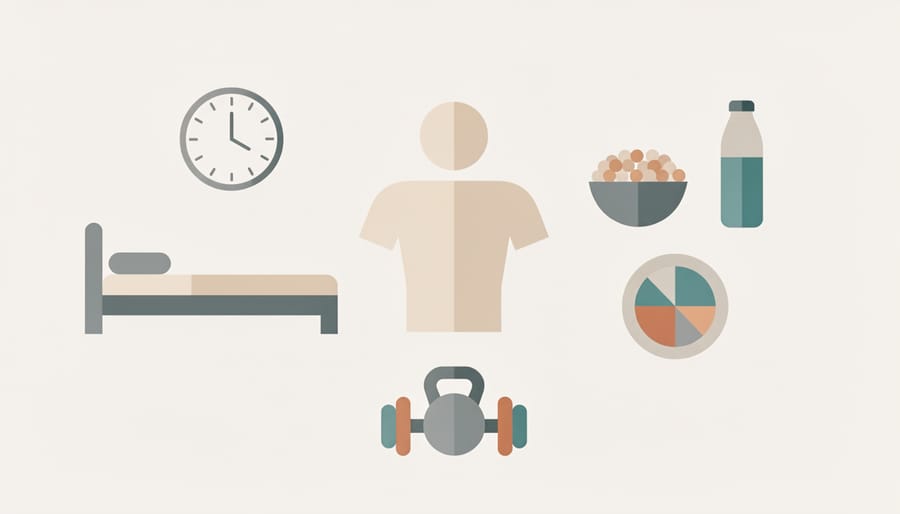
Running the workouts is only one piece of the puzzle. Your body needs proper recovery, fuel, and mental resilience to adapt to training and reach race day feeling strong. Treating these elements as optional extras is a common beginner mistake that leads to burnout, injury, or hitting the wall mid-plan. Build these habits into your routine from week one.
Recovery: Let Your Body Rebuild
Rest days aren’t lazy days, they’re when your muscles repair and grow stronger. Schedule at least one full rest day each week, and honor it even when you feel energetic. Sleep is your most powerful recovery tool: aim for seven to nine hours nightly, especially after hard workouts or long runs. Quality sleep regulates hormones that control hunger, stress, and muscle repair.
Stretching after runs keeps muscles flexible and reduces soreness. Hold each stretch for 20 to 30 seconds, focusing on calves, quads, hamstrings, and hips. Foam rolling targets tight spots and improves blood flow; spend five to ten minutes rolling major muscle groups after tough sessions. Practices like mindful yoga complement running by building flexibility, balance, and body awareness while promoting mental calm.
Nutrition: Fuel Smart, Run Strong
Carbohydrates are your primary running fuel. Eat a carb-rich meal two to three hours before longer runs, oatmeal, toast with banana, or rice with lean protein work well. For runs over an hour, consider a small snack like a date or energy chew at the halfway point. Protein repairs muscle; include a palm-sized portion with each meal and a protein-rich snack within 30 minutes post-run to speed recovery.
Hydration matters daily, not just on run days. Drink water consistently throughout the day, and sip eight to twelve ounces 30 minutes before running. If you sweat heavily or run in heat, add an electrolyte drink. Don’t wait until you’re thirsty during a run, that’s already mild dehydration.
Mindset: Stay the Course
Set a realistic race goal based on your current fitness, not wishful thinking. Completing the distance is a worthy first-time goal; chasing an aggressive time can lead to overtraining. When setbacks happen, a missed week, a sluggish run, minor aches, adjust rather than panic. One bad workout doesn’t derail 14 weeks of training.
Stay motivated by connecting with others. Join a local running group, register for a beginner-friendly race through Wixxy Sports’ global event directory, or share progress with friends. Review stay active tips for broader wellness habits that support consistency. Celebrate small wins: finishing your first speed session, completing a new longest run, or simply lacing up on a tough morning.
- Prioritize one full rest day weekly and seven to nine hours of sleep nightly
- Stretch for 20-30 seconds per muscle group post-run and foam roll tight areas
- Eat carbs two to three hours before long runs and protein within 30 minutes after
- Hydrate consistently all day; sip eight to twelve ounces 30 minutes pre-run
- Set a realistic race goal, adjust when setbacks occur, and connect with the running community for motivation
These pillars work together. Skipping recovery invites injury. Underfueling leaves you dragging. Ignoring mindset makes every tough day feel insurmountable. Treat them as non-negotiable parts of your training plan, and you’ll build not just endurance, but sustainable habits that carry you through race day and beyond.
How to Know You’re Ready and What’s Next
You’ll know you’re progressing well when completing your scheduled workouts feels challenging but doable, not crushing. If you’ve consistently hit most of your runs over the past 10-12 weeks, finished your longest sessions without excessive soreness, and maintained a positive mindset even on tough days, you’re building real readiness. Another strong sign: you recover faster than you did early in the plan. That 25-minute easy run that left you wiped in Week 13 now feels routine.
In the final three weeks, assess your body honestly. Can you complete your taper runs without pain or persistent fatigue? Are you sleeping well and feeling energized rather than drained? If nagging discomfort or injury creeps in, respect it and ease back rather than pushing through the finish line of training. Trust that the work you’ve done over 14 weeks has prepared you; the taper sharpens that fitness, it doesn’t build it.
As race week arrives, shift focus from training to preparation. Here’s your checklist:
- Confirm race details (start time, location, bib pickup) and plan your travel or parking.
- Lay out your race outfit, pin your bib, and prepare any fuel or hydration you’ll carry.
- Eat familiar foods all week; skip experimenting with new meals or supplements.
- Get extra sleep two nights before the race (the night before is often restless, so bank rest early).
- Do a short 15-minute shakeout run two days out to keep your legs loose without adding fatigue.
- Hydrate steadily throughout the week, but don’t overdo it the night before.
After crossing the finish line, prioritize recovery. Walk for 10-15 minutes post-race, eat a balanced meal within an hour, and take a full week off from running. Light movement like walking or easy stretching is fine, but your body needs rest to rebuild. Once you’re recovered, set your next goal. Whether it’s improving your half marathon time, tackling a full marathon, or exploring trail races, use Wixxy Sports’ global event directory to find your next challenge and connect with the running community that supported you to this point.
Common Questions About Beginner Half Marathon Training
Can I walk during my training runs?
Absolutely. Run-walk intervals are a smart strategy for beginners, and many runners use them throughout the entire 14 weeks, especially on easy and recovery days. What matters is gradually building your endurance, not maintaining a continuous run from day one.
What if I miss a week of training?
Missing a week isn’t the end of your half marathon journey. Resume where you left off rather than trying to catch up by doubling workouts, which risks injury. The plan’s flexibility means you can adjust to running 3 days instead of 5 for a week or two while you get back on track.
How do I pick my goal race?
Look for a race 14 weeks out with a beginner-friendly course, ideally one that’s relatively flat and well-organized. Browse Wixxy Sports’ global event directory to find half marathons in your area, read reviews from other runners, and choose a race date that aligns with your training timeline.
What pace should I aim for as a beginner?
Your easy and recovery runs should feel conversational, you could chat with a running buddy without gasping. For speed work like the 8×1:00 intervals at 5K pace, aim for a challenging but controlled effort. Don’t worry about specific minute-per-mile targets in your first half marathon; focus on finishing strong.
Two other questions come up constantly: injury prevention and gear replacement. To avoid injury, respect the flexible structure of the plan by choosing 3, 4, or 5 runs per week based on how your body feels, never skip recovery days, and stop immediately if you experience sharp pain rather than general muscle fatigue. Running through warning signs leads to serious setbacks that derail training far longer than taking a single rest day would.
As for shoes, replace them every 300-500 miles or when the cushioning feels noticeably flat, which for most beginners training for a half marathon means buying a fresh pair around week 8 or 9. Worn-out shoes compromise your form and increase injury risk right when your mileage peaks. Track your shoe mileage from the start so you’re not guessing later.
Remember that every runner started as a beginner with these same questions. Connect with others training for their first half marathon through local running groups or online communities, Wixxy Sports helps you find not just races but fellow runners who understand exactly what you’re going through. You’re part of a global community of people taking on this challenge, and that support makes the 14 weeks far more enjoyable than going it alone.
You’ve got everything you need to cross that finish line 14 weeks from now. This plan works because it’s built on flexibility, choose your weekly run frequency, listen to your body, and trust the balance of hard efforts and recovery days. Thousands of first-timers have followed this exact blueprint and discovered they’re stronger than they thought.
Now it’s time to commit. Head to Wixxy Sports’ global event directory, find a beginner-friendly half marathon that excites you, and hit register. That act alone transforms training from theory into reality. You’re not just preparing for 13.1 miles, you’re joining a community of runners who started exactly where you are. Lace up, show up, and enjoy every step of the journey from beginner to finisher.